Blog
Produkt-Updates, Guides und Kundenstories.
 Guides
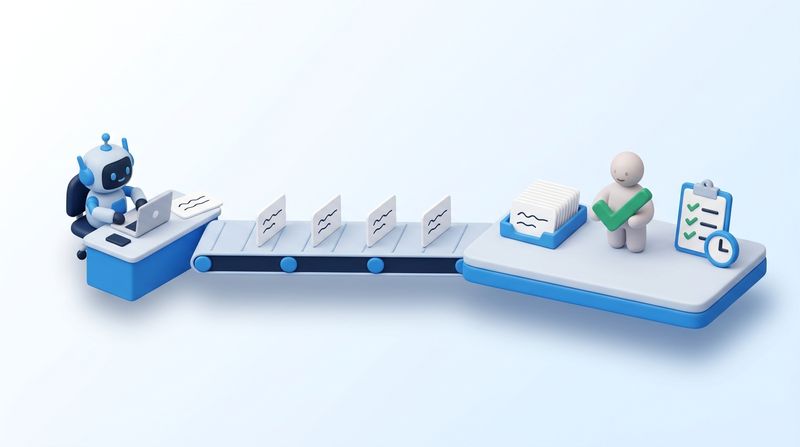
Brauchen Sie noch ein TMS, wenn Ihr Coding-Agent die App übersetzt?
Viele Teams übersetzen heute mit einer Coding-Agent-Routine: einem Claude-Code- oder Codex-Skill, der die fehlenden Strings nach Zeitplan entwirft und einen Pull Request öffnet. Wann diese Routine genügt, was sie bis zum zehnten Release nachbauen muss, und drei Wege, sie zu behalten und ihr ein Gedächtnis, einen Reviewer und eine Aufzeichnung zu unterlegen, von einem zusätzlichen Befehl in der CI bis zu einer Routine, die das Glossar liest, bevor sie entwirft.
 Product
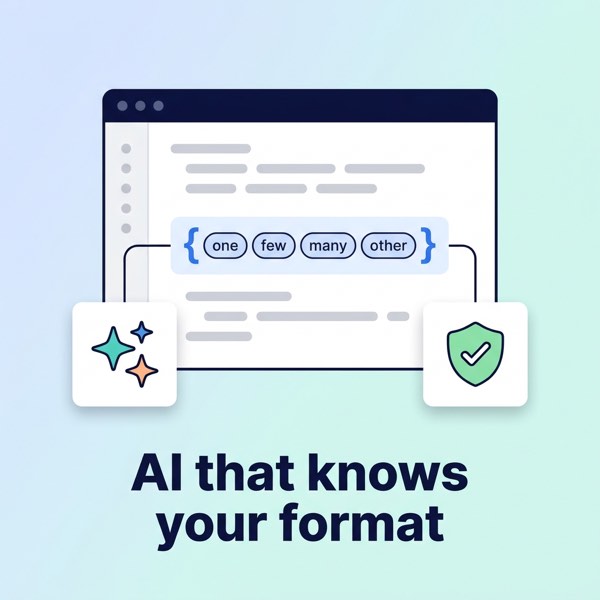
KI-Übersetzungen, die Ihr i18n-Format respektieren
Locize prüft jetzt jede KI- und maschinelle Übersetzung gegen ihre Quelle, bevor sie gespeichert wird: die Syntax, die Platzhalter, die Tags und die Pluralformen, die die Zielsprache braucht. Die KI-Prompts enthalten die Regeln von MessageFormat (oft ICU genannt) und Fluent, Issue-Gewichte und „fix with AI“ sortieren, was übrig bleibt, und MessageFormat 2 ist ein Projektformat.
 Guides
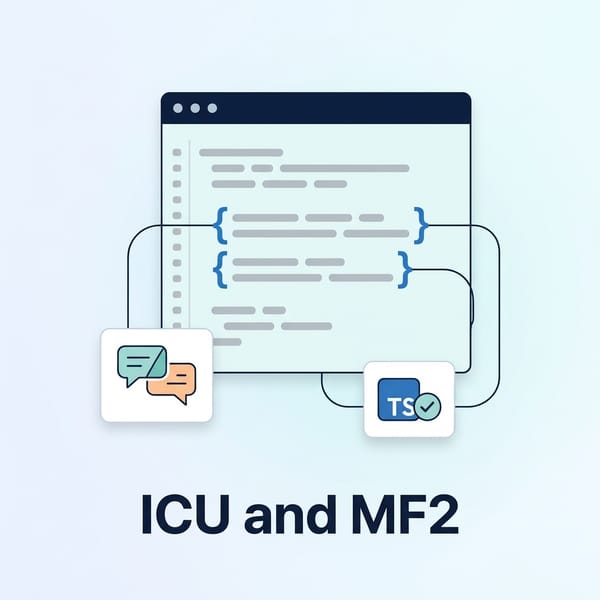
ICU und MessageFormat 2 in i18next: typisierte Argumente, Linting und der App Router
i18next unterstützt ICU MessageFormat seit Jahren mit i18next-icu und Unicode MessageFormat 2 mit i18next-mf2. Im Oktober 2026 wurden beide zu vollwertigen Optionen neben dem i18next-Format: Debug-Warnungen bei gemischter Syntax, typgeprüfte ICU- und MF2-Argumente, ein i18next-cli-Modus, der einen Key pro Nachricht extrahiert und Plural-Kategorien pro Locale prüft, IcuTrans in React Server Components und next-i18next-Provider für den App Router. Was sich geändert hat, mit Code, der läuft.
 Guides
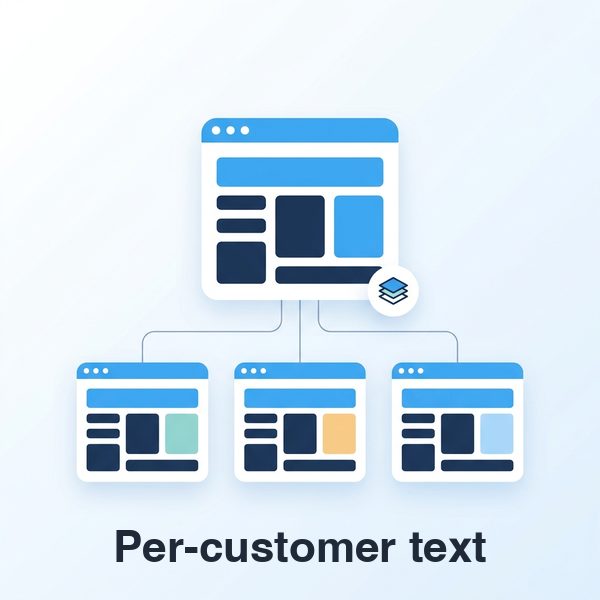
Ein Produkt, viele Kunden: Übersetzungen pro Kunde mit Tenants, ein Beispiel Schritt für Schritt
White-Label- und B2B-Produkte brauchen oft dieselbe App mit den eigenen Formulierungen jedes Kunden: "Klient" statt "Patient", eine andere Stornierungsregel, der Name des Kunden statt Ihres eigenen. Die Wege, die Teams dafür gehen (Kopien, eigene Locale-Codes, Namespaces, Interpolation, Tenant-Projekte), und ein echter Lauf mit einem Basisprojekt und drei Kunden-Tenants: Overrides, was passiert, wenn sich die Basis ändert, wie die App den richtigen Kunden lädt und worauf Sie achten sollten.
 Guides
So wählen Sie 2026 ein TMS aus: Preismodelle erklärt, ein Projekt bei neun Anbietern durchgerechnet
Translation-Management-Systeme rechnen nach unterschiedlichen Einheiten ab: Wörter in allen Sprachen, Wörter in Zielsprachen, verarbeitete Wörter, Quell-Keys, Strings oder Seats. Wir haben ein Referenzprojekt (2.000 Keys, 6 Personen, 3, 8 oder 15 Zielsprachen) bei neun TMS-Anbietern durchgerechnet, Locize eingeschlossen, anhand ihrer öffentlichen Preisseiten am 13. Oktober 2026. Was jedes Preismodell belohnt, wo es teuer wird und was der Listenpreis auslässt.
 Guides
Ein Coding-Agent lokalisiert ein Feature: Konfidenzwerte, Review und die Aufzeichnung, Schritt für Schritt
Ein echter Lauf, kein Diagramm: Claude Code fügt einer React-App eine Snooze-Funktion hinzu, meldet elf Keys über MCP an Locize und bekommt sie innerhalb von Sekunden in sechs Sprachen zurück, jede mit einem Konfidenzwert. Was die Konfidenzwerte erkannt haben, was sie übersehen haben, was der Agent selbst behoben hat, was das Review trotzdem noch geändert hat und was der Provenance-Export über jeden String festhält.
 Guides
Übersetzungen ohne Redeploy aktualisieren: Laden zur Laufzeit, Caching, und warum Nutzer alte Texte sehen
Wie Sie die Texte einer Web- oder Mobile-App ändern, ohne ein neues Release auszuliefern: Übersetzungen zur Laufzeit laden statt sie zu bündeln, und die Caches verstehen (Browser, Service Worker, localStorage, CDN), die entscheiden, wann Nutzer die Änderung tatsächlich sehen. Mit i18next-Backends, Cache-Control, den üblichen Gründen, warum Übersetzungen nach einem Deploy nicht aktualisiert werden, und den Fällen, in denen Bundling weiterhin die richtige Wahl ist.
 Guides
Übersetzungen per Git-Sync oder zur Laufzeit ausliefern: Was passt zu Ihrer CI/CD-Pipeline?
Übersetzungsdateien in Git, per CI synchronisiert, Übersetzungen zur Laufzeit von einem CDN geladen, oder beides? Wie jede Architektur von Anfang bis Ende funktioniert, eine ehrliche Entscheidungstabelle (wer übersetzt, Release-Takt, SSR und Offline, Review im Pull Request, Rollback, CDN-Kosten, vertrauliche Texte, native Mobile-Apps), wie Teams es heute machen und was keiner der beiden Ansätze löst.
 Guides
Der Transparenz-Verhaltenskodex zur EU-KI-Verordnung: Wer unterzeichnet hat, und was das für übersetzte Inhalte bedeutet
Stand 9. September 2026 führt der Verhaltenskodex der Europäischen Kommission zur Transparenz KI-generierter Inhalte 83 Anbieter- und 152 Betreiber-Unterzeichner, und die Liste wächst weiter. Was der Kodex ist, wozu sich ein Unternehmen mit der Unterschrift verpflichtet, warum Nichtunterzeichnen keine Nichteinhaltung ist, und was er für maschinell und KI-übersetzte Websites und Apps unter Artikel 50 ändert, und was nicht.
 Guides
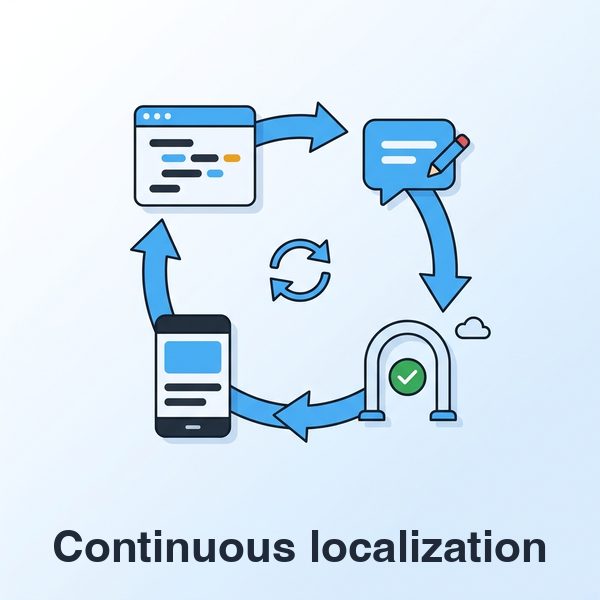
Was ist Continuous Localization? Definition, Workflow und was es nicht bedeutet
Continuous Localization ist ein Übersetzungsworkflow, der parallel zur Entwicklung läuft: Neue Strings fliessen automatisch aus dem Code zu Übersetzern oder zur KI, und freigegebene Übersetzungen erreichen die laufende Anwendung ohne Release. Die Definition, die vier Stufen, der Unterschied zur Batch-Lokalisierung, was Sie brauchen, bevor es funktioniert, und was es nicht löst.
 Guides
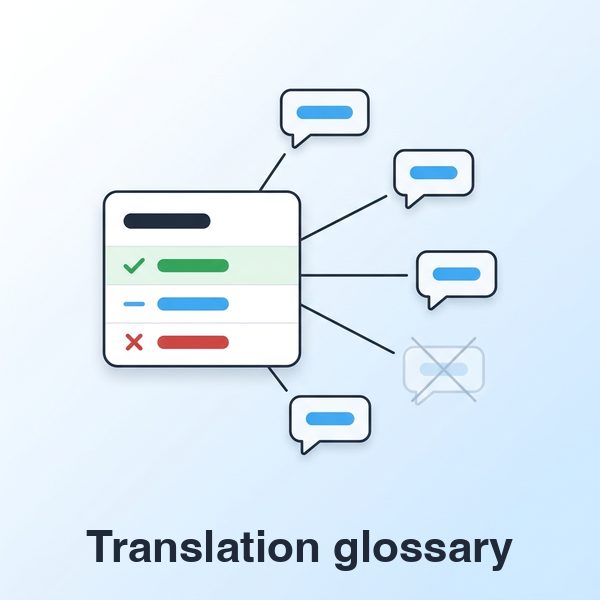
Was ist ein Übersetzungsglossar? Definition, Beispiele und wie es durchgesetzt wird
Ein Übersetzungsglossar ist die Liste der Begriffe, die ein Produkt jedes Mal gleich übersetzen muss, mit der freigegebenen Übersetzung pro Sprache. Was hineingehört (bevorzugte, erlaubte und verbotene Begriffe), wie es sich von einem Styleguide und von einem Translation Memory unterscheidet, warum maschinelle und KI-Übersetzung es dringender brauchen als menschliche Übersetzer, wie es mit automatischen Checks durchgesetzt wird, wie Teams eines aufbauen, und was es nicht löst.
 Guides
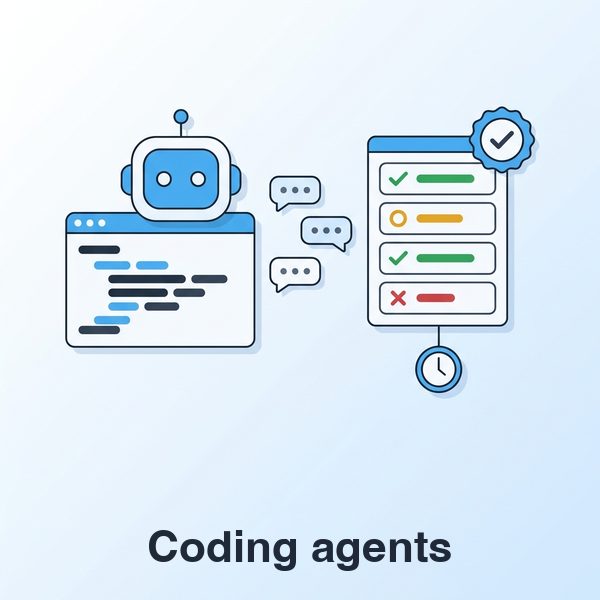
Wenn Coding-Agents Ihre App übersetzen: Was kaputtgeht, was Sie behalten sollten
KI-Coding-Agents legen heute Übersetzungs-Keys an und entwerfen die übersetzten Strings als Teil einer Codeänderung, mit mehr Kontext, als die meisten Übersetzer je bekommen. Was sie gut machen, was über die Zeit nicht erhalten bleibt (Konsistenz über Releases hinweg, Review und Provenienz, Terminologie-Governance, QA über den gesamten Korpus), wie Teams das heute handhaben, und das Agent-in-the-Loop-Muster, das die Geschwindigkeit behält, ohne die Aufzeichnung zu verlieren.
 Guides
Übersetzungsdateien verwalten, ohne JSON von Hand zu editieren
Niemand entscheidet sich dafür, Übersetzungsdateien von Hand zu editieren; Teams landen einfach dort. Was Translation File Management bedeutet, warum JSON-, YAML- und resx-Dateien zu Merge-Konflikten, Drift und herrenlosen Keys werden, wie Teams das heute lösen (Code-Editor, Tabellen, CI-Sync, ein TMS, Coding-Agents), was der Verzicht auf manuelles Editieren nicht löst, und wo Locize ins Bild passt.
 Guides
Translation QA: Was in Übersetzungen wirklich kaputtgeht, und wie man es automatisch findet
Die meisten Übersetzungsfehler sind nicht schlechtes Sprachgefühl, sondern mechanisch: ein verlorener Platzhalter, ein zerbrochenes HTML-Tag, eine veränderte Zahl, derselbe Begriff dreimal anders übersetzt. Was Translation QA bedeutet, welche Fehler in echten Übersetzungsdaten auftauchen, was manuelles Review übersieht, und wie automatische linguistische Checks die mechanische Ebene abfangen, damit menschliche Reviewer sich auf die Bedeutung konzentrieren können.
 Guides
Viele Projekte, ein Team: Zugriff und Abrechnung, wenn Lokalisierung über eine App hinauswächst
Die zweite App ist der Punkt, an dem Übersetzungsmanagement leise kippt: dieselben Leute überall neu eingeladen, Offboarding aus dem Gedächtnis, eine Rechnung pro Projekt und keine Antwort auf "wer darf den deutschen Text ändern?". Was die Konto-Ebene über Ihren Projekten leisten muss, und wie Organisationen in Locize das lösen.
 Guides
i18n ohne Übersetzungsdateien? Das geht mit i18next, heute schon
Eine neue Welle von i18n-Tools wirbt mit "Ihr Code ist die Source of Truth, Übersetzungsdateien sind Build-Artefakte". Das i18next-Ökosystem unterstützt genau diesen Workflow seit Jahren: natürlichsprachige Keys, JSX-Serialisierung über Trans, saveMissing-Meldung, automatische KI-Übersetzung und CDN-Auslieferung ganz ohne Locale-Dateien im Repo. Das Rezept, die ehrlichen Trade-offs, und was "keine Dateien" nicht löst.
 Guides
i18n-Formatierung: Datum, Zahlen & Währung mit Intl und i18next (Guide 2026)
Handgestricktes "$" + toFixed(2) ist in den meisten Locales ein Bug: 1,234.56 ist im Deutschen 1.234,56 und im Französischen 1 234 567,89, und Yen haben keine Nachkommastellen. Dieser Guide behandelt Intl.NumberFormat, DateTimeFormat, RelativeTimeFormat und wie i18next sie mit {{val, number}}, currency, datetime und eigenen Formatierern in Übersetzungsstrings einbindet.
 Open Source
Wer nutzt i18next? 1.500+ der weltweit grössten Websites
Wir haben die Top 100.000 Websites gescannt, um zu sehen, wie viele auf i18next laufen. Mindestens 1.534 tun es — von X und GitLab über Deezer, Strava und DeepL bis Microsoft Power BI. Hier sind die Daten, die Methode und warum das für Open Source zählt.
 Guides
i18n-Pluralisierung: CLDR-Pluralregeln, i18next & ICU (Guide 2026)
Pluralisierung in i18n ist nicht „Singular vs. Plural". Englisch hat 2 Pluralformen, Polnisch 4, Arabisch 6, Japanisch 1. Dieser Guide erklärt CLDR-Pluralkategorien, die i18next-v4-Schlüssel _one/_other, Ordinalzahlen, ICU und die Fehler, die Plurale still kaputtmachen.
 Guides
Phrase und Lokalise haben ihre Preise geändert: Was passiert ist und welche Optionen Sie 2026 haben
Phrase hat den Starter-Plan für 135 $/Monat gestrichen und beginnt bei Businessplänen jetzt bei 1.245 $/Monat. Lokalise hat auf Abrechnung nach verarbeiteten Wörtern umgestellt und die oberen Stufen hinter Sales-Gespräche gelegt. Was sich geändert hat, warum der Markt nach oben wandert, und was ein kleines Team tun kann.
 Guides
Wenn KI-Übersetzungen kippen: Was wirklich schiefgeht, und der Weg zum Upgrade
LLM-Übersetzung in der CI funktioniert, bis die Terminologie driftet, eine Pluralregel zuschlägt oder ein Muttersprachler das Ergebnis beleidigend nennt. Was in KI-only-Pipelines wirklich kaputtgeht, warum bessere Prompts es nicht beheben, und wie Sie Scoring, Review und Auslieferung ergänzen, ohne die Pipeline wegzuwerfen.
 Engineering
Wie Batch-Übersetzungs-Workflows Continuous Deployment ausbremsen
Ein Batch-Übersetzungs-Handoff ist ein release-blockierender Schritt, der in Ihrer Pipeline versteckt ist. Hier steht genau, wie er Continuous Deployment ausbremst, und wie kontinuierliche Lokalisierung aussieht, wenn sie in CI/CD verdrahtet ist.
 Guides
Der Browser kann Ihre App jetzt übersetzen. Hier ist, was er nicht kann.
Chrome 138 und Edge 148 bringen eine kostenlose, geräteinterne Translator-API, die jede Seite sofort, offline und privat übersetzt. Das ist echt nützlich, und es ist kein Translation-Management-System. Hier sind die ehrliche Demo, die Governance-Lücke und ein Rezept, das den Browser als sanktionierten Fallback nutzt, während Ihr TMS der governte Kern bleibt.
 Guides
Ist maschinell übersetzter Inhalt "KI-generiert" im Sinne des EU AI Act?
Artikel 50 der KI-Verordnung gilt ab dem 2. August 2026 und wurde durch den Digital Omnibus nicht verschoben. Die finalen Leitlinien der Kommission (20. Juli 2026) nehmen treue KI-Übersetzungen von der maschinenlesbaren Kennzeichnung aus und nennen die menschlich geprüfte KI-Übersetzung als Musterbeispiel der Ausnahme in Artikel 50 Absatz 4. Was das für übersetzte Websites und Apps bedeutet.
 Product
Sie müssen sich nicht entscheiden: i18next und inlang, zusammen
i18next-cli init --inlang scaffoldet ein inlang-Projekt auf Ihren bestehenden Übersetzungsdateien: Sherlock, Fink und Paraglide arbeiten direkt auf Ihrem i18next-JSON, Locize bleibt das gehostete TMS auf denselben Dateien, und nichts wird migriert.
 Product
Ein Befehl von hartcodierten Strings zur lokalisierten App
npx i18next-cli localize führt eine einsprachige App (oft KI-generiert) in einem einzigen Lauf durch Instrumentierung, Schlüssel-Extraktion, Locize-Setup und KI-Auto-Übersetzung, bis hin zu Übersetzungen mit Konfidenzwerten und CDN-Auslieferung.
 Product
Quality Estimation: Konfidenzwerte für KI-Übersetzungen
Locize bewertet jetzt jede KI-Übersetzung mit einem KI-Konfidenzwert, zeigt Segmente mit niedriger Konfidenz im Editor an und kann sie direkt in Ihren Review-Workflow leiten.
 Product
Kontext-Tools für KI-Übersetzung: Glossar, Styleguide, Memory & Screenshots
Neue read-only Locize-MCP-Tools geben Ihrem KI-Agenten das Projekt-Glossar, den Styleguide, die Translation Memory und Screenshot-Kontext – damit er direkt in Ihrer IDE übersetzen, reviewen und Terminologie prüfen kann.
 Company
10 Jahre Locize
Eine kurze Notiz zum zehnten Geburtstag von Locize. Wo wir gestartet sind, was wir gebaut haben, wer uns getragen hat, und ein Stück Pistazienkuchen von zuhause.
 Guides
Type-Safe i18next in Monorepos: Vorstellung von ResourceNamespaceMap
In v26.3.0 liefert i18next eine neue Module-Augmentation-Fläche für Monorepos: ResourceNamespaceMap. Jedes Package kann seine eigenen typsicheren Namespaces deklarieren, ohne mit CustomTypeOptions.resources zu kollidieren.
 Tutorials
Eine Astro-Site mit Locize internationalisieren
Schritt-für-Schritt ✅ Astro-6-Lokalisierung mit dem eingebauten i18n-Routing + Locize als Übersetzungs-Backend — Build-Zeit-JSON-Sync via locize-cli, das Build-it-yourself-`t()`-Rezept und wo Framework-Islands hineinpassen, wenn Sie Live-Updates oder InContext-Editing benötigen.
 Tutorials
Nuxt 4 mit @nuxtjs/i18n und Locize internationalisieren
Schritt-für-Schritt ✅ Nuxt-4-Lokalisierung mit @nuxtjs/i18n, vue-i18n und Locize — inklusive Build-Zeit-Übersetzungs-Sync via locize-cli, optionalem client-seitigen saveMissing und dem Locize-InContext-Editor.
 Tutorials
React Router v7 mit remix-i18next internationalisieren
Schritt-für-Schritt ✅ React Router v7 (Framework-Modus) Lokalisierung mit i18next, remix-i18next 7.x und Locize — inklusive SSR-tauglicher Spracherkennung, In-Context-Editing und saveMissing.
 Guides
In-context translation editor: how it works and how the major TMS platforms compare
An in-context translation editor (ICE) lets translators edit strings directly on a live website or app. Four architectural patterns exist: SDK / script injection, proxy-based, browser extension, and iframe embed. This guide compares how Locize, Lokalise, Crowdin, Phrase, SimpleLocalize, Tolgee, Localazy, and Transifex approach in-context editing, and which pattern fits which use case.
 Guides
MessageFormat 2 in i18next: state of the migration (May 2026)
MessageFormat 2 (MF2) is the new Unicode standard for localized messages, final candidate since March 2025. But adoption is still early: the i18next-mf2 plugin had single-digit weekly npm downloads in May 2026 vs about 340,000 for the underlying messageformat library. Here is what MF2 actually changes, why adoption is slow, and what to do today.
 Guides
Was ist Locize? Kontinuierliche Lokalisierung auf einer Seite
Locize ist eine Plattform für kontinuierliche Lokalisierung von den Machern von i18next: App verbinden, mit KI übersetzen, durch Review schleusen, per CDN ausliefern – keine Redeployments nötig. Diese Seite deckt das gesamte Produkt in einem Durchgang ab.
 Guides
What is i18n? (The 2026 Edition)
Internationalization (i18n) is the architectural process of building software that can be adapted to different languages and regions without engineering changes. This 2026 guide covers modern i18n in the era of AI and server rendering.
 Guides
Top Translation and Localization Companies (2026): How to Choose One
A translation and localization company adapts your content for foreign markets: language, culture, legal context, currencies, and user experience. This 2026 guide ranks the top providers with real review data and explains how to choose one.
 Guides
i18next in Production: Managing Translations at Scale
What changes when your i18next project grows from a prototype to a production app with 10 languages, multiple teams, and thousands of translation keys. Practical patterns for scaling.
 Guides
next-intl vs next-i18next: Choosing the Right i18n Library for Next.js
A technical comparison of next-intl and next-i18next for Next.js internationalization. Architecture, features, message formats, and when to choose each.
 Guides
How to Set Up Automatic Translation with i18next and Locize
Step-by-step guide to creating a fully automated translation pipeline: write code, keys appear in Locize, AI translates them, and updates go live via CDN, with no manual steps.
 Product
Locize Alternatives Compared: How We Stack Up
An honest comparison of Locize with Crowdin, Lokalise, Phrase, Tolgee, SimpleLocalize, and Localazy. What each platform does well, where Locize is different, and how to choose.
 Guides
Localize Your App with AI in 5 Minutes
A quickstart guide for developers using Cursor, Claude Code, or other AI coding assistants. Set up i18next with Locize and go from zero to deployed translations in one session.
 Open Source
Why We Added a Console Notice to i18next, and Why We Removed It
An honest account of why we introduced a console.info support notice into i18next, what happened next, and what we learned from it.
 Product
Locize MCP Server: Translate from Claude, Cursor & VS Code
Connect Claude, Claude Code, Cursor or VS Code to your Locize translations over MCP: from Claude's connector directory, with one click in VS Code, or with a token in CI. 28 tools to find missing keys, translate with the glossary and translation memory, send drafts to review, publish and manage branches, directly from your AI assistant.
 Tutorials
next-i18next v16: App Router, Pages Router, and Everything In Between
next-i18next v16 brings first-class App Router support with Server Components, Client Components, and edge-safe proxy, while keeping full Pages Router compatibility. One package, both routers, zero boilerplate.
 Guides
From Hardcoded Strings to Global-Ready: The Modern React i18n Journey
Learn how to internationalize a modern React app in minutes using the new i18next-cli and Locize automation.
 Product
Predictable Growth: Introducing Fixed Pricing and a Free Plan
We’re evolving our pricing to give you the best of both worlds: the predictability of fixed monthly plans and the flexibility of usage-based scaling. Plus, a new way to start for free.
 Guides
Building Robust Offline-First Apps with i18next
Learn how to ensure your application translations remain available even in tunnels, elevators, or restricted networks. This guide explores using i18next chained backend to combine the agility of the Locize CDN with the reliability of local caching and bundled fallbacks.
 Engineering
The DIY Localization Trap: Why AI and JSON are Not a Strategy
Thinking of building your own localization autopilot or self-hosting? Discover the hidden engineering costs of DIY localization and why AI-only workflows fail at scale.
 Product
Back to Our Roots: The All-New locize.com
Locize has a new look. We’re going back to our roots with a faster, cleaner, and more transparent experience, built by developers, for developers.
 Tutorials
React-Lokalisierung – Internationalisieren mit i18next
Integrieren Sie i18next nahtlos in Ihre React-Anwendungen. Eine vollständige Schritt-für-Schritt-Anleitung zu react-i18next.
 Guides
What is a translation management system (TMS)?
What a translation management system (TMS) does, how it differs from a CAT tool and a localization platform, when you need one, and how TMS pricing works.
 Product
🚀 Announcing Locize Standard CDN: Fast, Simpler, and Generously Free!
Locize introduces a new Standard CDN powered by BunnyCDN, now the default for new projects, faster global delivery, and 1,000,000 free downloads per month.
 Guides
Offline-First Apps: Architecture, Frameworks & Real Examples
Offline-first apps work without a network and sync when reconnected. See the architecture, frameworks (PouchDB, RxDB, WatermelonDB, Realm), and when to use this approach.
 Guides
Discover a Smarter Way: Automating i18next Translations with saveMissing and Locize AI
Use i18next saveMissing with Locize and automatic AI translation to create and translate keys in real time as you build, reducing manual extraction and keeping translations in sync.
 Guides
Supercharge Your i18next Workflow with the All-New i18next-cli
Announcing i18next-cli: the official next-generation toolkit for extraction, syncing, linting, type generation, and translation status reporting, built for performance and modern JS/TS patterns.
 Guides
The Art of the Key: A Definitive Guide to i18n Key Naming for Longevity and Sanity
A practical guide to i18n translation key naming: how to avoid i18n debt, choose a sustainable key strategy, handle reuse, and scale with namespaces and context.
 Company
Building Locize Together: We Need Your Feedback on the Focus View
We added an in-app poll to better understand how you use Focus View vs Global View. Vote inside Locize and help shape the future of the Focus View.
 Guides
What is Software Localization?
Software localization is the process of adapting a software product (language, UX, formats, and cultural expectations) for each target market. It is different from translation (which only converts words) and from internationalization (which prepares the code for any language). Here's how it works, and how to implement it.
 Guides
The Game-Changer for i18next & TypeScript: Introducing the Selector API!
Meet the i18next selector API: a new way to call t() with a function instead of a string key, unlocking autocomplete, go-to-definition, and better TypeScript performance on large translation sets.
 Guides
Translation Memory: Was ist das und was kann es?
Was ein Translation Memory (TM) ist, wie Matching und Fuzzy Matches funktionieren, warum es für die Lokalisierung wichtig ist, wie es sich von einem Glossar unterscheidet, was es nicht löst, wie Translation Memory 2026 mit KI-Übersetzung und Coding-Agents zusammenspielt, und wie das Translation Memory von Locize Ihnen hilft, schneller und konsistenter zu übersetzen.
 Guides
i18next Translations Not Loading? Fix 404s, CORS Issues & Misconfigurations Fast
If your app shows raw i18next keys, this guide helps you quickly diagnose 404/CORS issues, fix loadPath and server hosting, and optionally switch to the Locize backend.
 Guides
How AI Translation Changes the Industry
How AI translation evolved from rules to neural networks, where it wins, where it fails, and why the future is a hybrid of AI speed and human review.
 Guides
Supercharging Your Localization: Combining Your Framework (like i18next), Locize, AI, Automation, and Human Expertise
A practical workflow to combine i18n, Locize, AI translation, automation, and human review to ship high-quality localization faster.
 Tutorials
Simplifying i18next Setup in Next.js App Router
A streamlined i18next setup for Next.js App Router: auto-detect the language from the URL on the client, pass it to server components via middleware headers, and access `t` without prop-drilling.
 Guides
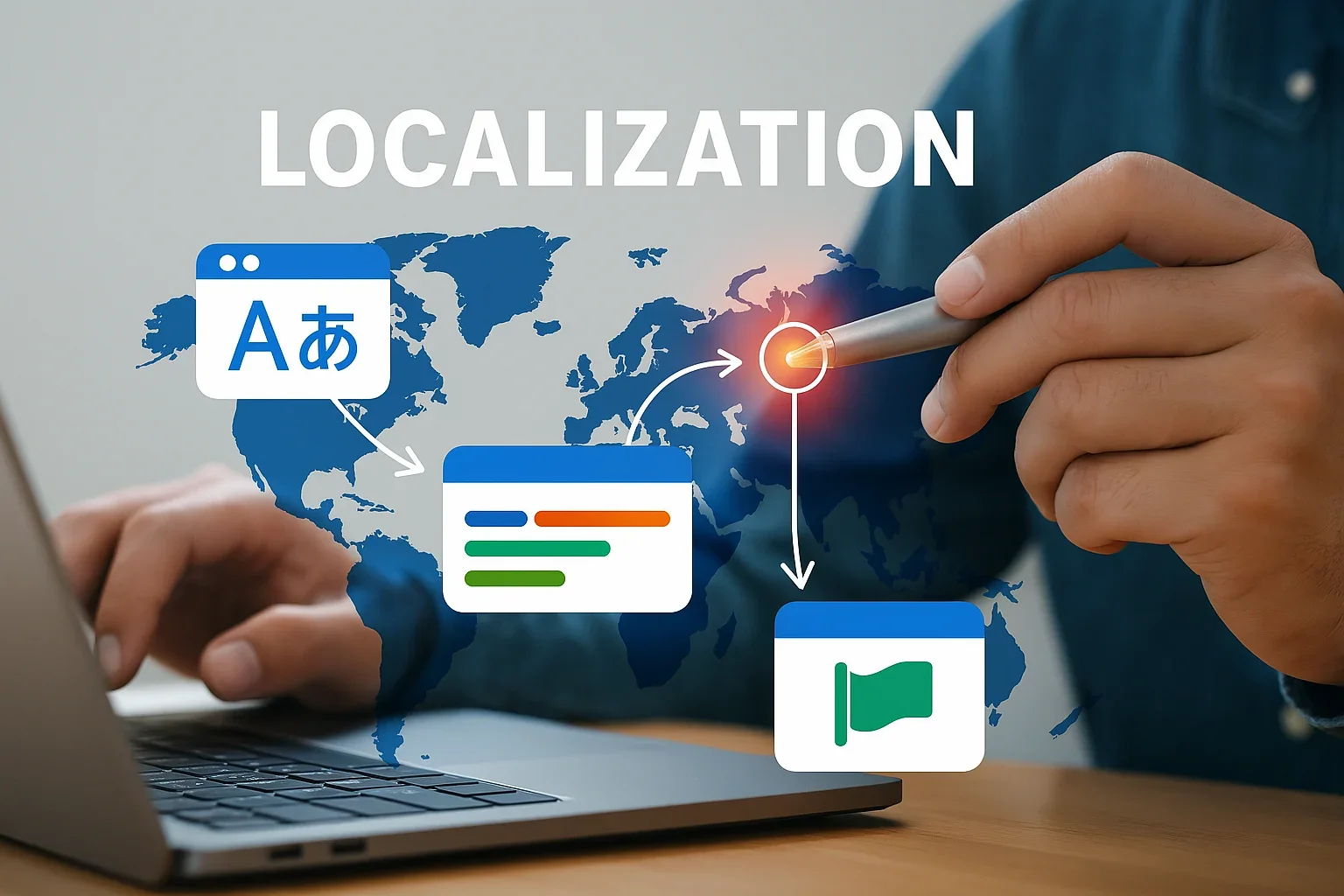
What Is Localization? Definition, Examples & How to Do It Right
Localization (l10n) adapts products for target markets: language, culture, formats. Real examples from Airbnb, Netflix & McDonald's + a step-by-step playbook.
 Guides
react-intl vs. react-i18next: The Ultimate Comparison for React Internationalization
A side-by-side comparison of react-i18next and react-intl across syntax, pluralization, formatting, TypeScript support, performance, and ecosystem, plus how Locize can enhance both workflows.
 Guides
Understanding and Fixing the “You will need to pass in an i18next instance by using initReactI18next” Error
Learn what this react-i18next error means, the most common causes (init/config, Next.js, tests, multiple instances), and how to fix it reliably.
 Guides
How to Use i18next.t() Outside React Components (And Avoid Common Pitfalls)
Learn why useTranslation() fails outside components, why i18next.t() can return keys before init, and the safest patterns to translate in services, utilities, and plain modules.
 Guides
How to Easily Add Internationalization (i18n) to Your New Software Project
A step-by-step guide to setting up i18next in a new React + TypeScript project, with language detection, dynamic loading, and Locize for continuous localization.
 Guides
Localization as Code: Integrating Translation Workflows into CI/CD Pipelines
Learn how to integrate localization into your CI/CD pipeline by treating translation workflows and files like code, with practical examples and best practices.
 Guides
8 Signs You Should Improve the Way You Use i18next (and How to Fix Them)
Learn how to streamline your localization workflow by identifying and fixing common i18next challenges, from translation key management to resolving performance-degrading warnings.
 Guides
Product localization - selling globally
Product localization is used to adapt products to the target market and address target groups in the respective country.
 Guides
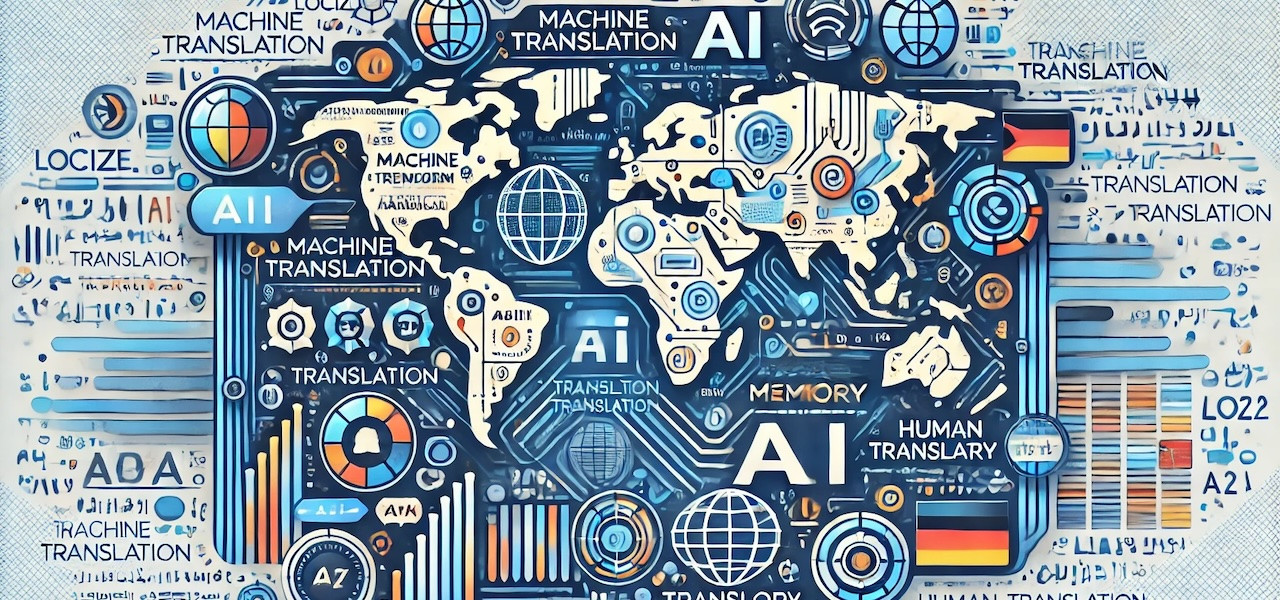
Unlocking the Power of Translation: Machine Translation, Translation Memory, Generative AI, and More
Explore the benefits of machine translation, translation memory, generative AI, and human translation, and discover how Locize lets you seamlessly combine them all.
 Guides
What Is Translation? Types, Modern Workflow & Quality
Translation isn't word-for-word, and modern AI still misses nuance, tone, and culture. Covers types, machine vs. human, and how pro translation workflows actually work today.
 Guides
Get to know Enterprise Translation Management System
With Enterprise Translation Management Systems, you can optimize and automate your translation and localization processes.
 Guides
L10n – What is it? | Locize
You’ve heard of L10n and are unsure what it is and if you need it? We'll tell you everything you need to know about it.
 Guides
AI in localization and its future role
Explore AI in localization as we debunk ChatGPT's role, celebrate Machine Translation's efficiency in Translation Management Systems.
 Guides
Say Hello to CAT (Computer-Assisted Translation): The Personal Translator in Your Pocket
Learn how to ensure efficiency, accuracy, and overall quality in your translation work with cat tools for translation.
 Guides
Market Expansion Strategy: Types, Process & Examples
A market expansion strategy is a plan for entering new markets or reaching new customer segments, through one of four moves (market penetration, product development, market development, or diversification). This guide covers the framework, the process, and what to do when it fails.
 Guides
Lokalisierungsstrategie: Einblicke für Tech-Führungskräfte
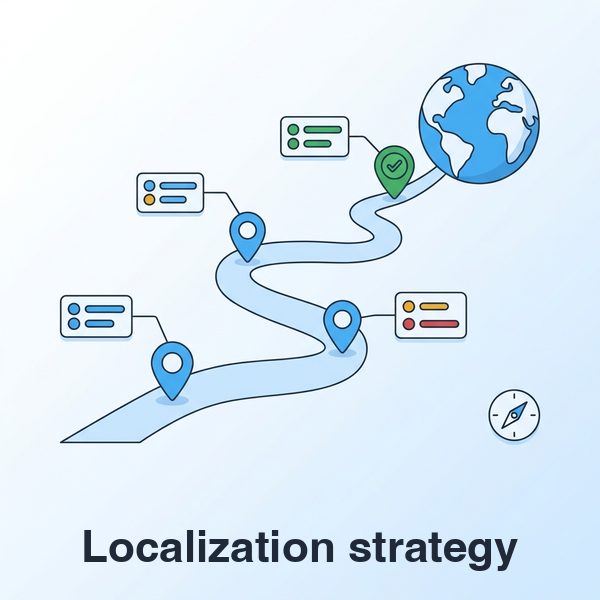
Was eine Lokalisierungsstrategie ist, warum schnell wachsende Tech-Unternehmen eine brauchen, die Herausforderungen (Geschwindigkeit gegen Qualität, Konsistenz, Kosten), die Rolle von Zusammenarbeit und einem Translation-Management-System, ein Schritt-für-Schritt-Plan, die Vorteile, eine Checkliste, Beispiele von WWF und Starbucks, und was sich 2026 mit KI-Übersetzung, Coding-Agents und der EU-KI-Verordnung geändert hat.
 Guides
i18next for React: Exploring the Right Module for Your Project
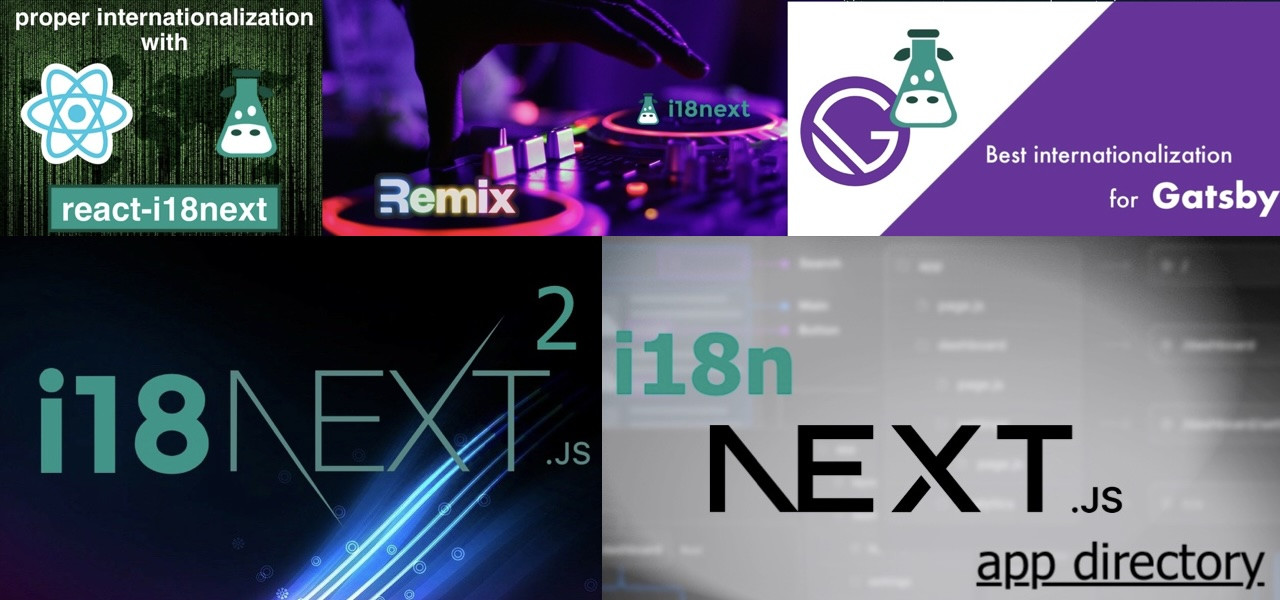
Explore the diverse world of i18next in React.js as we guide you through tailored approaches for standard React projects, Next.js, Remix, and Gatsby, empowering you to craft a truly globalized user experience.
 Guides
Is SDL Trados Still Relevant in Today’s Localization Landscape?
In this article we'll investigate if SDL Trados is still relevant in today’s localization landscape.
 Company
Interview with WebsitePlanet
Explore how Locize is revolutionizing software localization and breaking language barriers in our in-depth interview with WebsitePlanet.
 Guides
A Look into the Future of Translation and Localization
This article explores the latest technology and trend that are shaping the industry of translation and localization.
 Company
Uniting Swiss Excellence: Locize and Supertext Join Forces for Seamless Software Localization
Swiss localization pioneers Locize and Supertext partner to integrate Supertext's expert translation services into the Locize platform.
 Guides
How to Choose the Best fitting Translation Management Solution
This blog post explores the unique capabilities of Locize, a comprehensive translation management tool closely integrated with i18next, making it the perfect choice to streamline localization workflows and meet the specific needs of i18next-powered projects.
 Guides
Supercharge Your TypeScript App: Mastering i18next for Type-Safe Translations
Discover how to unleash the full potential of i18next in your TypeScript applications by mastering type-safe translations, ensuring accurate localization and eliminating runtime errors, with this guide. ✅
 Guides
Missing Translations in i18next: Fallbacks, Detection & Fixes
When i18next can't find a translation, users see raw keys. Learn fallback languages, debug-mode detection, saveMissing, and how to keep UX clean while translators catch up.
 Guides
Don't let translation topics distract you!
In this article, we'll explore why translation topics can distract you as a developer and how you can manage this distraction.
 Guides
The Importance of Context in Localization: Best Practices for Accurate Translations
In this article, we will explore the importance of context in localization and how some context features can help improve translation accuracy.
 Guides
Marketing localization in your business (2026 guide)
With this ultimate guide, you will transform your global marketing efforts and discover the significance of marketing localization.
 Engineering
The Role of i18next and Translation Management Systems in Serverless Architectures
The article discusses the role of i18next and Translation Management Systems in serverless architecture for efficient and cost-effective localization.
 Tutorials
Fastest way to unleash the full power of i18next (in 3 steps)
Learn the fastest way to unleash the full power of i18next with Locize and get the most out of your internationalization efforts.
 Guides
Why does app localization matter for growth?
Learn how localization can help you growth your app. This guide will explain what ✅ app localization is and how to use it.
 Guides
How Accurate Is Google Translate? A 2026 Guide
How accurate is Google Translate in 2026? Google Translate now uses Gemini models for text translation in a growing set of languages, but accuracy still varies by language and content. What the research really shows, where it falls short, and how to use it well.
 Open Source
The joy, the pride and the burden of maintaining open source
The joy and burden of maintaining an open-source project involves the influx of issues and pull requests, constant improvement, dealing with demanding users, and the importance of providing a minimal reproducible example to reduce time and effort for both maintainers and users, but despite the challenges, it is a rewarding experience that fosters a sense of community and collaboration.
 Guides
What is Website Localization? Process, Examples & Checklist
Website localization adapts a website (language, formats, currencies, images, layout, SEO, and legal compliance) for a specific market. This guide covers what it is, when to do it, the step-by-step process, and a working checklist with real-world examples.
 Guides
7 steps to master translation project management (2023)
A step-by-step tutorial providing advice on how to master translation project management. Further tips on being more efficient.
 Guides
Unleashing the Full Potential of i18next: Tips and Tricks
In this article, we explore tips and tricks on how to use i18next, a powerful JavaScript library, to handle internationalization and localization effectively by utilizing features such as namespaces, pluralization, interpolation, fallbacks, context feature and integration with Locize to deliver a better user experience.
 Tutorials
i18n with Next.js 13/14/15/16 and app directory / App Router (an i18next guide)
Looking for a way to internationalize your Next.js 13/14 project with the new app directory / App Router paradigm? Then this guide is for you!
 Company
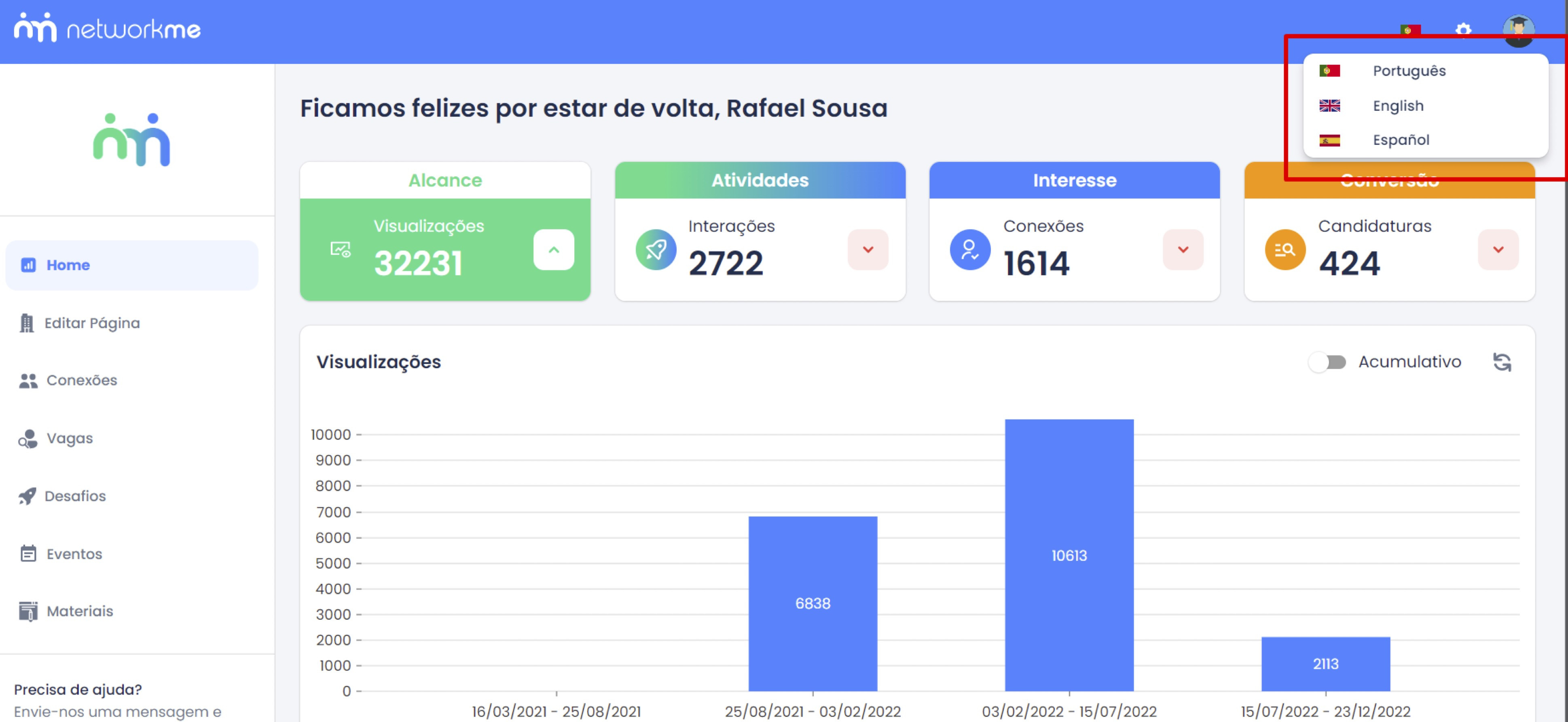
Localization at Networkme (by Marcelo Manteigas)
This is a guest blog post written by Marcelo Manteigas describing the experience with Locize.
 Engineering
Multi tenant architecture
What is Multi-Tenant Architecture? And how we increase the value of the client by improving our software with it.
 Guides
The hidden localization costs
There are a lot of hidden costs when you're investigating your software localization process.
 Company
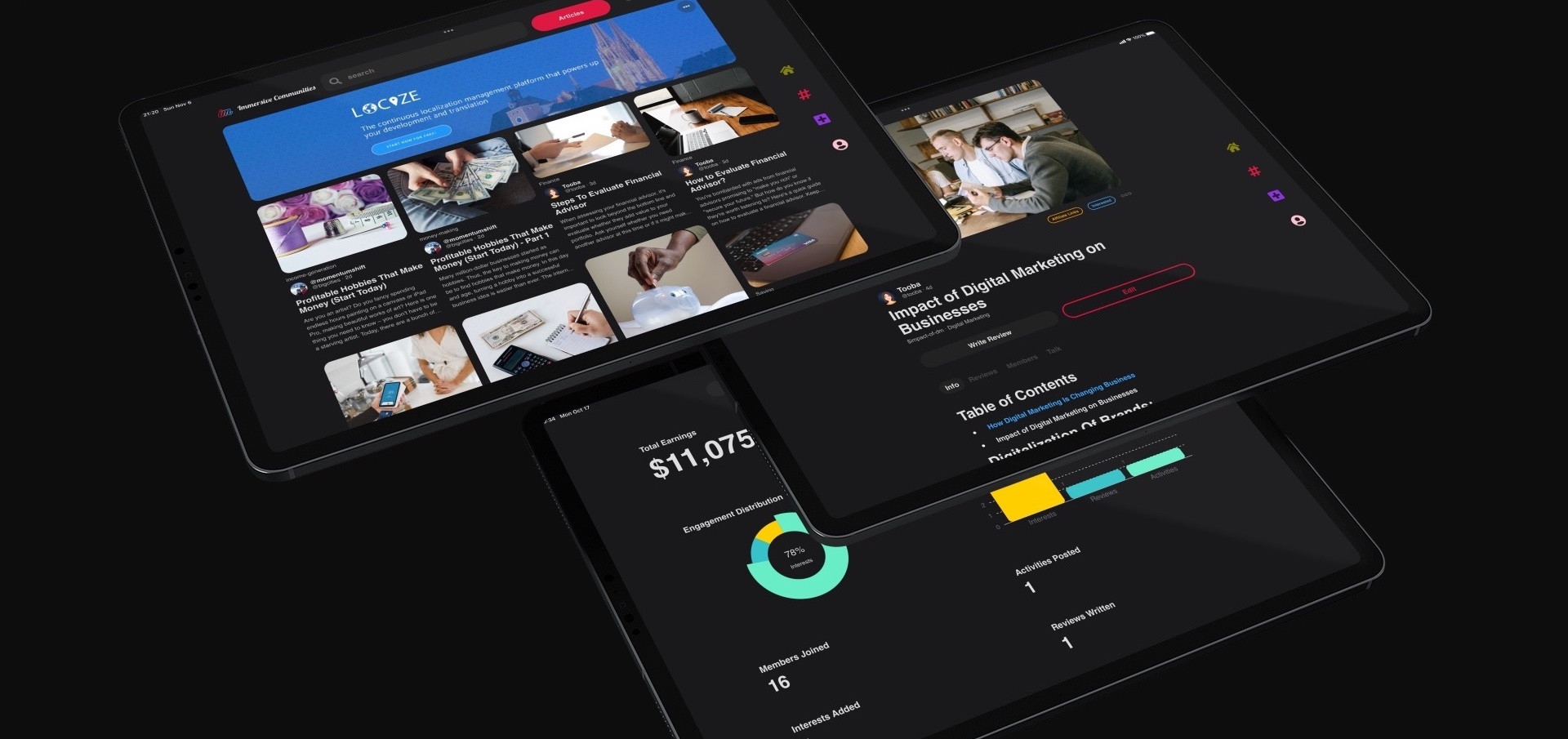
Localization at Immersive Communities (by Mario Stopfer)
This is a guest blog post written by Mario Stopfer describing the experience with Locize.
 Guides
Smart help for tech leaders and engineering managers
This article will help the work of tech/team leaders and engineering managers with a smart advice for the localization topic.
 Guides
Language Localization: What It Is, Examples & Best Practices
Language localization is the process of adapting a product, service, or content for the language and cultural expectations of a specific market. This guide explains what it is, why it matters, examples (spelling, cultural references, visuals, grammar, tone), and how it differs from translation.
 Tutorials
Best internationalization for Gatsby (an i18next based guide)
Gatsby Localization made easy with this ✅ step-by-step guide using i18next.
 Tutorials
Vue Localization - Internationalize with i18next
Vue Localization made easy with this ✅ step-by-step guide using i18next.
 Tutorials
A svelte-i18n guide for internationalization
Simple Svelte localization made easy with this ✅step-by-step guide using svelte-i18n.
 Tutorials
Optimize Next.js translations (next-i18next guide)
Optimize your Next.js app to best work with translations on server side and on client side with next-i18next.
 Tutorials
How to internationalize a Remix application with remix-i18next (Part 2)
A continuous localization workflow for your Remix app with i18next, Locize, and remix-i18next.
 Tutorials
How to internationalize a Remix application (Part 1)
Simple Remix localization made easy with this ✅step-by-step guide using i18next.
 Guides
I18N in the Multiverse of Formats
A nice overview of the existing i18n formats for JavaScript.
 Tutorials
The progressive guide to jQuery internationalization (i18n) using i18next
How to properly internationalize a jQuery website using i18next.
 Tutorials
Internationalization (i18n) for Deno with i18next
How does internationalization (i18n) for Deno look like? CLI, webserver, server side rendered sites, etc...
 Tutorials
Next.js i18n-Compatible Static HTML Export
Learn how to optimize Next.js static HTML export for internationalization (i18n) with step-by-step instructions and helpful tips.
 Guides
Globalization vs. Localization - What is the difference
What is the difference between globalization (g11n) and localization (l10n), where internationalization (i18n) fits, what comes first, and the pros and cons of each.
 Guides
What is video game localization
Learn how video game translation works and how you can utilize it to boost your company's revenue.
 Guides
These are the website internationalization best practices
What are the best practices for website internationalization?
 Guides
How does server side internationalization (i18n) look like?
How does server side internationalization (i18n) look like? CLI, webserver, mail generation, server side rendered sites, Next.js, etc...
 Tutorials
Angular Localization - Unleash the full power of i18next
A step-by-step guide how to implement angular-i18next into your application.
 Tutorials
Give vue-i18n more superpowers❕
Supercharge vue-i18n with locizer + Locize: async loading, language detection, saveMissing, and automated translation workflows.
 Product
What's new in Locize
A rundown of the modernized UI and key new CAT features in the updated Locize app.
 Engineering
A tale of the last 10 years in web development
A fictional journey through jQuery, Angular, React, Vue, and how i18next carries across them all.
 Tutorials
Unleash the hidden superpowers of react-intl
Make react-intl JSX cleaner with babel macros, and connect it to Locize for continuous localization.
 Tutorials
vue.js - from i18n to localization (l10n)
Explore how Vue.js supports global reach with i18n and adapts to local nuances through l10n.
 Company
Locize - Translation Software Distinguished by Platform for SaaS Reviews as a Great User Experience and Rising Star for 2018
FinancesOnline recognized Locize with the Great User Experience and Rising Star awards for 2018.
 Guides
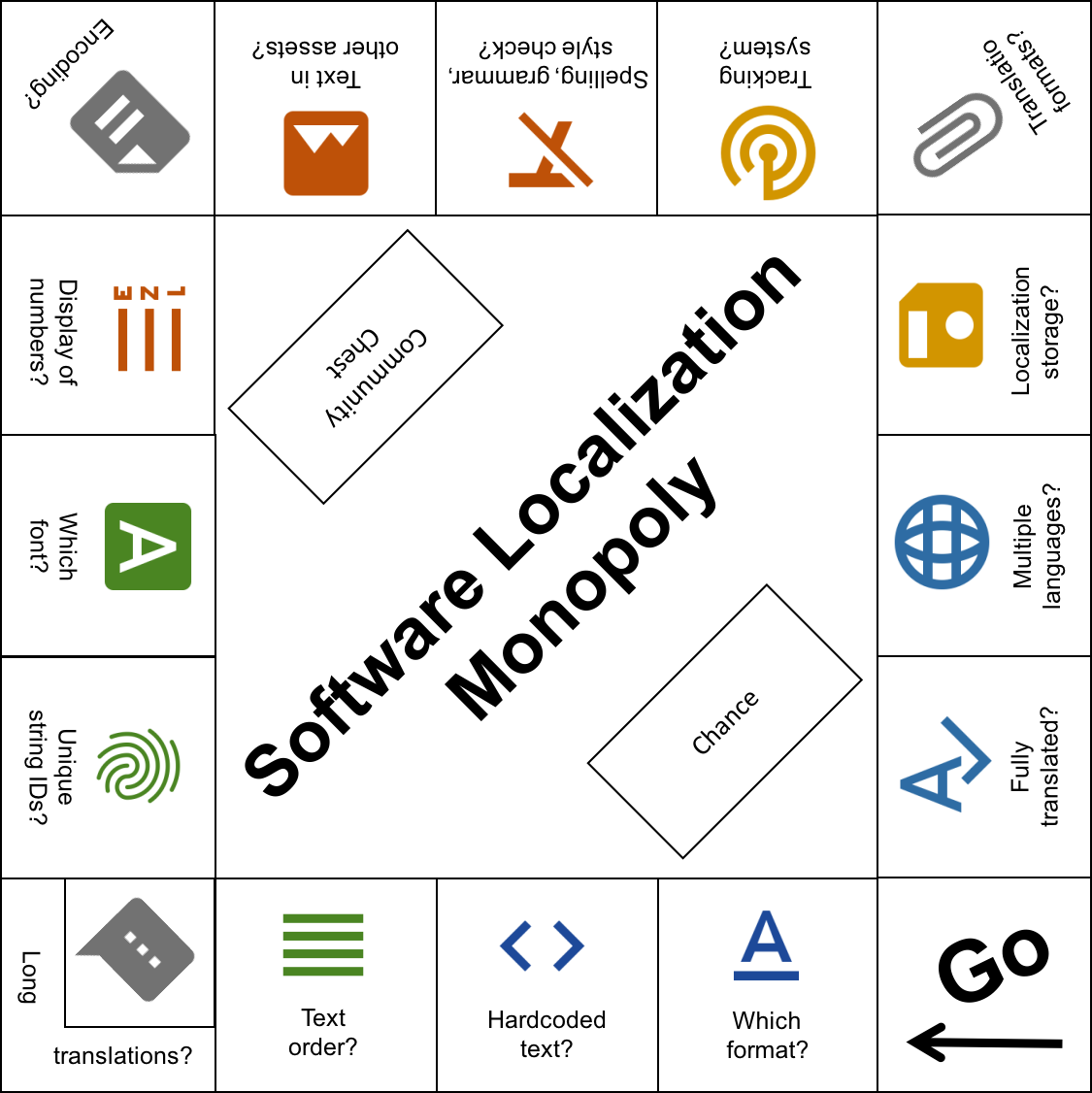
Is your software ready for localization?
Verify if your software is ready for localization with the software localization monopoly.
 Guides
8 signs you should improve your localization process
Eight warning signs that your localization workflow is slowing you down, and how to fix it with continuous localization.
 Engineering
How Locize leverages serverless
Why Locize chose a serverless architecture on AWS, and how we structure our Lambda functions and tooling.
 Product
locizify v2 - improvements
What’s new in locizify v2: unpkg CDN delivery, better key generation, merging support, fragment replacement, and more.
 Engineering
Localization should be fun
Learn from our experience using Locize in our own web application, and how it made localization faster, safer, and more enjoyable.
 Engineering
Why translation held back continuous delivery in 2016
A post from 2016, written when we started Locize: how release freezes and translation handoffs kept software teams from delivering continuously, and the idea of deploying translations separately from the code.
 Engineering
The freedom of choice... i18next, polyglot or formatJS
How Locize works not only with i18next, but also with Polyglot and FormatJS (ICU messageformat), plus runnable example repos.
 Engineering
How we eat our own dogfood
How we used locizify to translate our own landing page: versions, language switching, and avoiding initial flicker.
 Engineering
Technology stack - Locize is serverless
A quick overview of the AWS services that power Locize, built with a serverless mindset so we can focus on product, not servers.
CompanyDay zero - How all began
How i18next started in 2011, and why we built Locize to solve the translation workflow problem.