Blog
Nouveautés produit, guides et témoignages clients.
 Guides
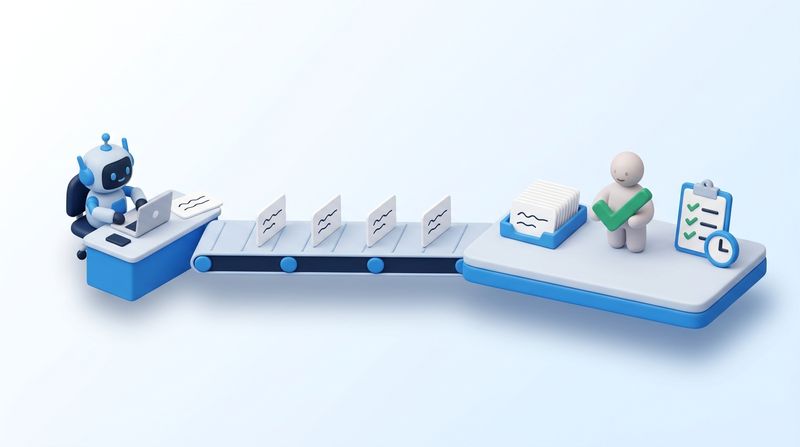
Avez-vous encore besoin d'un TMS quand votre agent de code traduit l'application ?
Beaucoup d'équipes traduisent aujourd'hui avec une routine d'agent de code : un skill Claude Code ou Codex qui rédige les chaînes manquantes selon un planning et ouvre une pull request. Quand cette routine suffit, ce qu'elle doit reconstruire d'ici la dixième version, et trois façons de la garder en plaçant sous elle une mémoire, un relecteur et une trace, d'une seule commande ajoutée en CI à une routine qui lit le glossaire avant de rédiger.
 Product
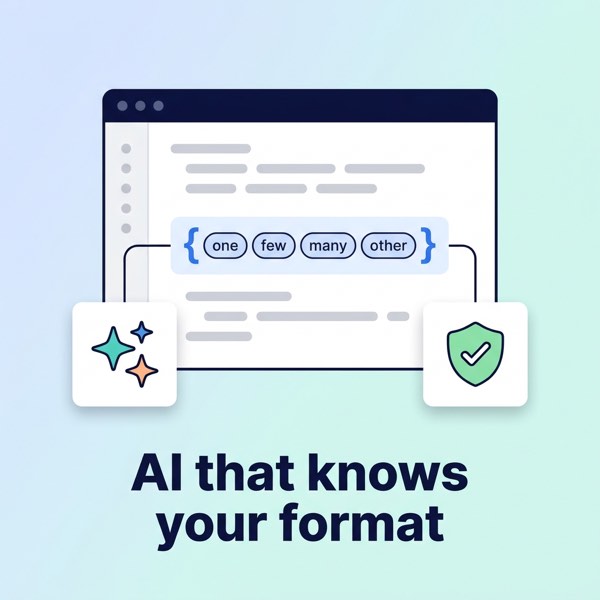
Des traductions IA qui respectent votre format i18n
Locize vérifie désormais chaque traduction IA et automatique par rapport à sa source avant de l’enregistrer : la syntaxe, les placeholders, les balises et les formes de pluriel dont la langue cible a besoin. Les prompts de l’IA contiennent les règles de MessageFormat (souvent appelé ICU) et de Fluent, les poids des issues et « fix with AI » trient ce qui reste, et MessageFormat 2 est un format de projet.
 Guides
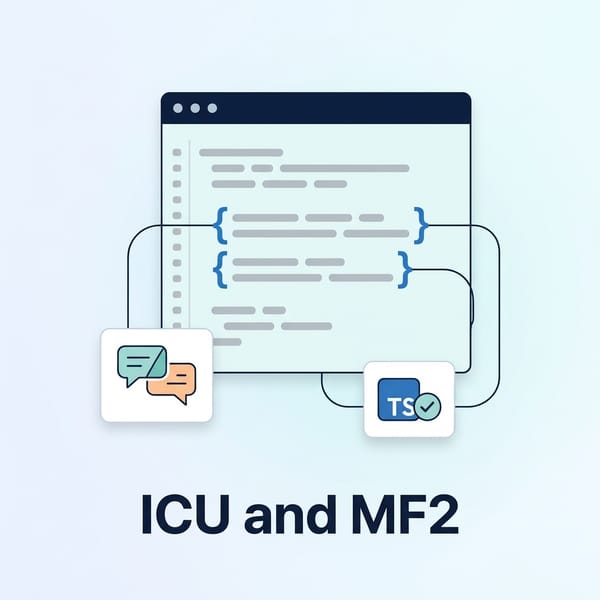
ICU et MessageFormat 2 dans i18next : arguments typés, linting et App Router
i18next prend en charge ICU MessageFormat depuis des années avec i18next-icu, et Unicode MessageFormat 2 avec i18next-mf2. En octobre 2026, les deux sont devenus des options à part entière à côté du format i18next : des avertissements de debug quand les syntaxes se mélangent, des arguments ICU et MF2 vérifiés par TypeScript, un mode i18next-cli qui extrait une clé par message et vérifie les catégories de pluriel par locale, IcuTrans dans les React Server Components et des providers next-i18next pour l’App Router. Ce qui a changé, avec du code qui tourne.
 Guides
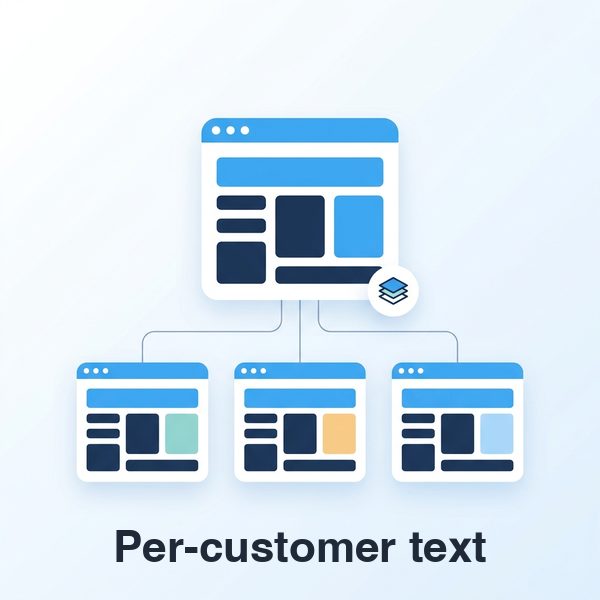
Un produit, de nombreux clients : des traductions par client avec les tenants, un exemple pas à pas
Les produits en marque blanche et B2B ont souvent besoin de la même application avec la formulation propre à chaque client : « client » au lieu de « patient », une autre politique d’annulation, le nom du client au lieu du vôtre. Les façons dont les équipes s’y prennent (copies, codes de langue personnalisés, namespaces, interpolation, projets tenants), et un vrai essai avec un projet de base et trois tenants clients : surcharges, ce qui se passe quand la base change, comment l’application charge le bon client, et ce qu’il faut surveiller.
 Guides
Comment choisir un TMS en 2026 : les modèles de tarification expliqués, un même projet chiffré chez neuf éditeurs
Les systèmes de gestion des traductions facturent des choses différentes : mots dans toutes les langues, mots dans les langues cibles, mots traités, clés source, chaînes ou sièges. Nous avons chiffré un projet de référence (2 000 clés, 6 personnes, 3, 8 ou 15 langues cibles) chez neuf éditeurs de TMS, Locize compris, d’après leurs pages tarifaires publiques au 13 octobre 2026. Ce que chaque modèle de tarification récompense, où il devient cher, et ce que le prix catalogue ne dit pas.
 Guides
Un agent de code localise une fonctionnalité : scores de confiance, relecture et trace, étape par étape
Un vrai essai, pas un schéma : Claude Code ajoute une fonction de mise en attente (snooze) à une application React, signale onze clés à Locize via MCP et les récupère en six langues en quelques secondes, chacune avec un score de confiance. Ce que les scores ont détecté, ce qu’ils ont manqué, ce que l’agent a corrigé de lui-même, ce que la relecture a encore changé, et ce que l’export de provenance consigne pour chaque chaîne.
 Guides
Mettre à jour les traductions sans redéployer : chargement à l'exécution, cache, et pourquoi les utilisateurs voient d'anciens textes
Comment modifier les textes d'une application web ou mobile sans livrer une nouvelle version : charger les traductions à l'exécution au lieu de les embarquer dans le bundle, et comprendre les caches (navigateur, service worker, localStorage, CDN) qui décident du moment où les utilisateurs voient réellement le changement. Backends i18next, Cache-Control, les raisons habituelles pour lesquelles les traductions ne se mettent pas à jour après un déploiement, et les cas où le bundling reste le bon choix.
 Guides
Traductions synchronisées via Git ou livrées à l'exécution : laquelle convient à votre pipeline CI/CD ?
Des fichiers de traduction dans Git, synchronisés par la CI, des traductions chargées depuis un CDN à l'exécution, ou les deux ? Comment chaque architecture fonctionne de bout en bout, un tableau de décision honnête (qui traduit, rythme des releases, SSR et hors ligne, revue en pull request, rollback, coût du CDN, textes confidentiels, mobile natif), comment les équipes s'y prennent aujourd'hui et ce qu'aucune des deux approches ne résout.
 Guides
Le code de bonnes pratiques sur la transparence du règlement européen sur l'IA : qui a signé, et ce que cela signifie pour les contenus traduits
Au 9 septembre 2026, le code de bonnes pratiques de la Commission européenne sur la transparence des contenus générés par IA compte 83 fournisseurs et 152 déployeurs signataires, et la liste continue de s'allonger. Ce qu'est le code, à quoi une signature engage une entreprise, pourquoi ne pas signer n'est pas une non-conformité, et ce que cela change, et ne change pas, pour les sites et applications traduits par machine ou par IA au titre de l'article 50.
 Guides
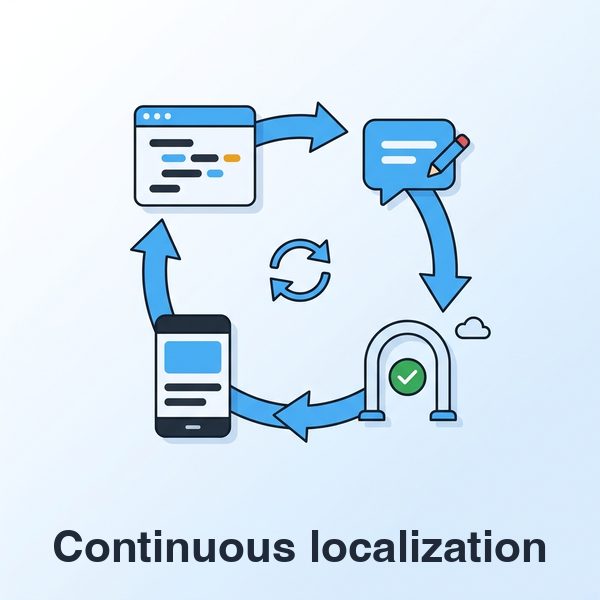
Qu'est-ce que la localisation continue ? Définition, workflow, et ce que cela ne veut pas dire
La localisation continue est un workflow de traduction qui s'exécute en parallèle du développement : les nouvelles chaînes passent automatiquement du code aux traducteurs ou à l'IA, et les traductions approuvées atteignent l'application en production sans nouvelle version. La définition, les quatre étapes, la différence avec la localisation par lots, ce qu'il faut avant que cela fonctionne, et ce que cela ne résout pas.
 Guides
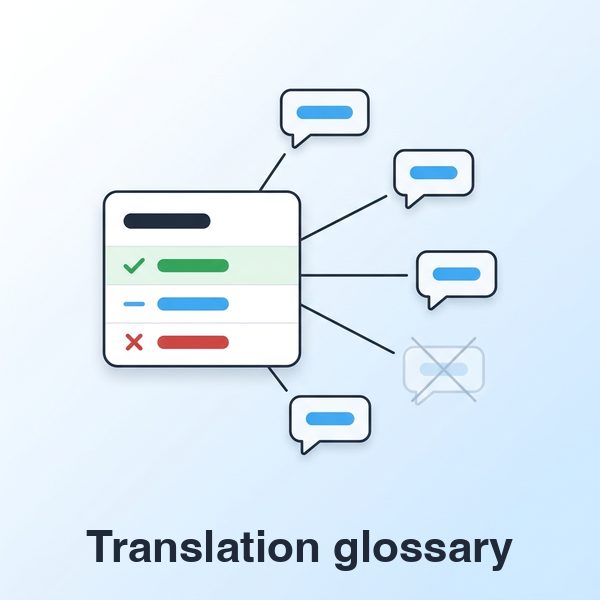
Qu'est-ce qu'un glossaire de traduction ? Définition, exemples et mise en application
Un glossaire de traduction est la liste des termes qu'un produit doit traduire de la même façon à chaque fois, avec la traduction approuvée par langue. Ce qu'il contient (termes préférés, autorisés et interdits), en quoi il diffère d'un guide de style et d'une mémoire de traduction, pourquoi la traduction automatique et l'IA en ont plus besoin que les traducteurs humains, comment il est appliqué par des contrôles automatiques, comment les équipes en construisent un, et ce qu'il ne corrige pas.
 Guides
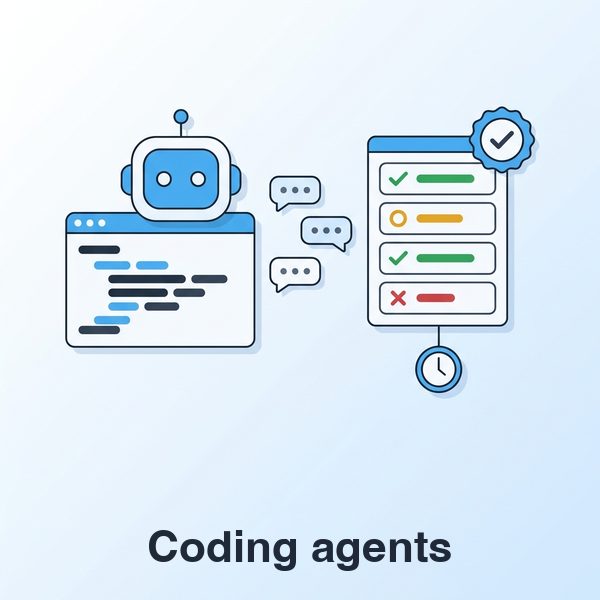
Quand les agents de code traduisent votre application : ce qui casse, ce qu'il faut garder
Les agents de code IA ajoutent aujourd'hui des clés de traduction et rédigent les chaînes traduites dans le cadre d'un changement de code, avec plus de contexte que la plupart des traducteurs n'en ont jamais. Ce qu'ils font bien, ce qui ne se conserve pas dans le temps (cohérence entre les versions, relecture et provenance, gouvernance terminologique, QA sur l'ensemble du corpus), comment les équipes s'y prennent aujourd'hui, et le schéma agent-in-the-loop qui garde la vitesse sans perdre la trace.
 Guides
Gérer les fichiers de traduction sans éditer le JSON à la main
Personne ne décide d'éditer ses fichiers de traduction à la main ; les équipes finissent simplement par le faire. Ce que signifie la gestion des fichiers de traduction, pourquoi les fichiers JSON, YAML et resx se transforment en conflits de fusion, en dérive et en clés sans propriétaire, comment les équipes s'en sortent aujourd'hui (éditeur de code, tableurs, synchronisation CI, un TMS, agents de code), ce que la fin de l'édition manuelle ne résout pas, et où Locize se situe.
 Guides
Translation QA : ce qui casse vraiment dans les traductions, et comment le détecter automatiquement
La plupart des défauts de traduction ne relèvent pas de la langue mais de la mécanique : un placeholder perdu, une balise HTML cassée, un nombre modifié, le même terme traduit de trois façons différentes. Ce que signifie la Translation QA, quelles erreurs apparaissent dans les données réelles de traduction, ce que la relecture manuelle ne voit pas, et comment des contrôles linguistiques automatiques prennent en charge la couche mécanique pour que les relecteurs humains se concentrent sur le sens.
 Guides
Plusieurs projets, une seule équipe : accès et facturation quand la localisation dépasse une application
La deuxième application est le moment où la gestion des traductions casse en silence : les mêmes personnes réinvitées partout, un offboarding de mémoire, une facture par projet, et aucune réponse à "qui peut modifier le texte allemand ?". Ce que la couche compte au-dessus de vos projets doit faire, et comment les organisations dans Locize s’en chargent.
 Guides
L'i18n sans fichiers de traduction ? C'est possible avec i18next, dès aujourd'hui
Une nouvelle vague d'outils i18n promet « votre code est la source de vérité, les fichiers de traduction sont des artefacts de build ». L'écosystème i18next prend en charge exactement ce workflow depuis des années : clés en langage naturel, sérialisation JSX via Trans, signalement saveMissing, traduction IA automatique et livraison CDN sans aucun fichier de locale dans votre dépôt. La recette, les compromis honnêtes, et ce que « zéro fichier » ne résout pas.
 Guides
Formatage i18n : dates, nombres et devises avec Intl et i18next (guide 2026)
Un "$" + toFixed(2) bricolé à la main est un bug dans la plupart des locales : 1,234.56 s'écrit 1.234,56 en allemand et 1 234 567,89 en français, et le yen n'a pas de décimales. Ce guide couvre Intl.NumberFormat, DateTimeFormat, RelativeTimeFormat et la façon dont i18next les intègre aux chaînes de traduction avec {{val, number}}, currency, datetime et des formateurs personnalisés.
 Open Source
Qui utilise i18next ? Plus de 1 500 des plus grands sites web au monde
Nous avons scanné les 100 000 premiers sites web pour voir combien utilisent i18next. Au moins 1 534 le font — de X et GitLab à Deezer, Strava, DeepL et Microsoft Power BI. Voici les données, la méthode et pourquoi cela compte pour l'open source.
 Guides
Pluralisation i18n : règles de pluriel CLDR, i18next et ICU (guide 2026)
La pluralisation en i18n, ce n'est pas « singulier vs pluriel ». L'anglais a 2 formes plurielles, le polonais 4, l'arabe 6, le japonais 1. Ce guide couvre les catégories de pluriel CLDR, les clés i18next v4 _one/_other, les ordinaux, ICU et les erreurs qui cassent silencieusement les pluriels.
 Guides
Phrase et Lokalise ont changé leurs tarifs : ce qui s’est passé et vos options en 2026
Phrase a supprimé son plan Starter à 135 $/mois et ses plans business démarrent désormais à 1 245 $/mois. Lokalise a restructuré sa facturation autour des mots traités et placé ses paliers supérieurs derrière un rendez-vous commercial. Ce qui a changé, pourquoi le marché monte en gamme, et ce qu’une petite équipe peut faire.
 Guides
Quand les traductions IA dérapent : ce qui casse vraiment, et le chemin de la graduation
La traduction LLM en CI fonctionne, jusqu’à ce que la terminologie dérive, qu’une règle de pluriel morde ou qu’un locuteur natif juge le résultat insultant. Ce qui casse vraiment dans les pipelines tout-IA, pourquoi de meilleurs prompts n’y changent rien, et comment ajouter notation, relecture et livraison sans jeter votre pipeline.
 Engineering
Comment les workflows de traduction par lots cassent le Continuous Deployment
Un handoff de traduction par lots est une étape bloquante pour les releases, cachée dans votre pipeline. Voici exactement comment il casse le Continuous Deployment, et à quoi ressemble la localisation continue câblée dans la CI/CD.
 Guides
Le navigateur peut traduire votre application maintenant. Voici ce qu'il ne peut pas faire.
Chrome 138 et Edge 148 embarquent une API Translator gratuite, sur l'appareil, qui traduit n'importe quelle page instantanément, hors ligne et en privé. C'est vraiment utile, et ce n'est pas un système de gestion de traduction. Voici la démonstration honnête, la faille de gouvernance, et une recette qui utilise le navigateur comme repli sanctionné pendant que votre TMS reste le cœur gouverné.
 Guides
Le contenu traduit automatiquement est-il "généré par IA" au sens de l'AI Act européen ?
L'article 50 du règlement européen sur l'IA s'applique à partir du 2 août 2026 et n'a pas été reporté par le Digital Omnibus. Les lignes directrices finales de la Commission (20 juillet 2026) exemptent les traductions IA fidèles du marquage lisible par machine et citent la traduction IA relue par un humain comme exemple type de l'exemption de l'article 50, paragraphe 4. Ce que cela signifie pour les sites et applications traduits.
 Product
Vous n'avez pas à choisir : i18next et inlang, ensemble
i18next-cli init --inlang génère un projet inlang sur vos fichiers de traduction existants : Sherlock, Fink et Paraglide travaillent directement sur votre JSON i18next, Locize reste le TMS hébergé sur les mêmes fichiers, et rien n'est migré.
 Product
Une commande des chaînes en dur à une application localisée
npx i18next-cli localize fait passer une application monolingue (souvent générée par IA) par l'instrumentation, l'extraction des clés, la configuration Locize et la traduction automatique IA en une seule exécution, jusqu'aux traductions avec scores de confiance et à la livraison via CDN.
 Product
Quality Estimation : des scores de confiance pour les traductions IA
Locize évalue désormais chaque traduction IA avec un score de confiance, met en évidence les segments à faible confiance dans l'éditeur et peut les envoyer directement dans votre workflow de relecture.
 Product
Outils de contexte pour la traduction IA : glossaire, guide de style, mémoire & captures
De nouveaux outils MCP Locize en lecture seule donnent à votre agent IA le glossaire du projet, le guide de style, la mémoire de traduction et le contexte des captures d'écran, pour qu'il traduise, relise et vérifie la terminologie directement dans votre IDE.
 Company
10 ans de Locize
Un petit mot pour marquer les dix ans de Locize. D'où nous sommes partis, ce que nous avons construit, qui nous a portés, et une part de gâteau à la pistache venue de la maison.
 Guides
i18next type-safe dans les monorepos : présentation de ResourceNamespaceMap
Avec la v26.3.0, i18next introduit une nouvelle surface de module augmentation pour les monorepos : ResourceNamespaceMap. Chaque package peut déclarer ses propres namespaces type-safe sans entrer en collision sur CustomTypeOptions.resources.
 Tutorials
Internationaliser un site Astro avec Locize
Localisation pas à pas ✅ d'Astro 6 avec le routage i18n intégré + Locize comme backend de traduction : synchronisation JSON au build via locize-cli, la recette do-it-yourself du `t()`, et où s'insèrent les framework islands quand vous avez besoin de mises à jour live ou d'édition en contexte.
 Tutorials
Internationaliser une app Nuxt 4 avec @nuxtjs/i18n et Locize
Localisation pas à pas ✅ de Nuxt 4 avec @nuxtjs/i18n, vue-i18n et Locize, incluant la synchronisation des traductions au build via locize-cli, le saveMissing côté client optionnel et l'éditeur InContext de Locize.
 Tutorials
Internationaliser React Router v7 avec remix-i18next
Localisation pas à pas ✅ de React Router v7 (mode Framework) avec i18next, remix-i18next 7.x et Locize, incluant la détection de langue compatible SSR, l'édition in-context et saveMissing.
 Guides
In-context translation editor: how it works and how the major TMS platforms compare
An in-context translation editor (ICE) lets translators edit strings directly on a live website or app. Four architectural patterns exist: SDK / script injection, proxy-based, browser extension, and iframe embed. This guide compares how Locize, Lokalise, Crowdin, Phrase, SimpleLocalize, Tolgee, Localazy, and Transifex approach in-context editing, and which pattern fits which use case.
 Guides
MessageFormat 2 in i18next: state of the migration (May 2026)
MessageFormat 2 (MF2) is the new Unicode standard for localized messages, final candidate since March 2025. But adoption is still early: the i18next-mf2 plugin had single-digit weekly npm downloads in May 2026 vs about 340,000 for the underlying messageformat library. Here is what MF2 actually changes, why adoption is slow, and what to do today.
 Guides
Qu'est-ce que Locize ? La localisation continue sur une seule page
Locize est une plateforme de localisation continue créée par les auteurs d'i18next : connectez l'app, traduisez avec l'IA, faites passer la relecture, distribuez via CDN, sans redéploiement. Cette page couvre tout le produit d'un seul coup.
 Guides
What is i18n? (The 2026 Edition)
Internationalization (i18n) is the architectural process of building software that can be adapted to different languages and regions without engineering changes. This 2026 guide covers modern i18n in the era of AI and server rendering.
 Guides
Top Translation and Localization Companies (2026): How to Choose One
A translation and localization company adapts your content for foreign markets: language, culture, legal context, currencies, and user experience. This 2026 guide ranks the top providers with real review data and explains how to choose one.
 Guides
i18next in Production: Managing Translations at Scale
What changes when your i18next project grows from a prototype to a production app with 10 languages, multiple teams, and thousands of translation keys. Practical patterns for scaling.
 Guides
next-intl vs next-i18next: Choosing the Right i18n Library for Next.js
A technical comparison of next-intl and next-i18next for Next.js internationalization. Architecture, features, message formats, and when to choose each.
 Guides
How to Set Up Automatic Translation with i18next and Locize
Step-by-step guide to creating a fully automated translation pipeline: write code, keys appear in Locize, AI translates them, and updates go live via CDN, with no manual steps.
 Product
Locize Alternatives Compared: How We Stack Up
An honest comparison of Locize with Crowdin, Lokalise, Phrase, Tolgee, SimpleLocalize, and Localazy. What each platform does well, where Locize is different, and how to choose.
 Guides
Localize Your App with AI in 5 Minutes
A quickstart guide for developers using Cursor, Claude Code, or other AI coding assistants. Set up i18next with Locize and go from zero to deployed translations in one session.
 Open Source
Why We Added a Console Notice to i18next, and Why We Removed It
An honest account of why we introduced a console.info support notice into i18next, what happened next, and what we learned from it.
 Product
Locize MCP Server: Translate from Claude, Cursor & VS Code
Connect Claude, Claude Code, Cursor or VS Code to your Locize translations over MCP: from Claude's connector directory, with one click in VS Code, or with a token in CI. 28 tools to find missing keys, translate with the glossary and translation memory, send drafts to review, publish and manage branches, directly from your AI assistant.
 Tutorials
next-i18next v16: App Router, Pages Router, and Everything In Between
next-i18next v16 brings first-class App Router support with Server Components, Client Components, and edge-safe proxy, while keeping full Pages Router compatibility. One package, both routers, zero boilerplate.
 Guides
From Hardcoded Strings to Global-Ready: The Modern React i18n Journey
Learn how to internationalize a modern React app in minutes using the new i18next-cli and Locize automation.
 Product
Predictable Growth: Introducing Fixed Pricing and a Free Plan
We’re evolving our pricing to give you the best of both worlds: the predictability of fixed monthly plans and the flexibility of usage-based scaling. Plus, a new way to start for free.
 Guides
Building Robust Offline-First Apps with i18next
Learn how to ensure your application translations remain available even in tunnels, elevators, or restricted networks. This guide explores using i18next chained backend to combine the agility of the Locize CDN with the reliability of local caching and bundled fallbacks.
 Engineering
The DIY Localization Trap: Why AI and JSON are Not a Strategy
Thinking of building your own localization autopilot or self-hosting? Discover the hidden engineering costs of DIY localization and why AI-only workflows fail at scale.
 Product
Back to Our Roots: The All-New locize.com
Locize has a new look. We’re going back to our roots with a faster, cleaner, and more transparent experience, built by developers, for developers.
 Tutorials
Localisation React – Internationalisation avec i18next
Intégrez i18next sans effort dans vos applications React. Un guide complet, pas à pas, sur react-i18next.
 Guides
What is a Translation Management System (TMS)?
A Translation Management System (TMS) is software that centralizes translation work: managing files, terminology, translation memory, automation, and integrations. This guide covers what a TMS does, when you need one, and how to compare options.
 Product
🚀 Announcing Locize Standard CDN: Fast, Simpler, and Generously Free!
Locize introduces a new Standard CDN powered by BunnyCDN, now the default for new projects, faster global delivery, and 1,000,000 free downloads per month.
 Guides
Offline-First Apps: Architecture, Frameworks & Real Examples
Offline-first apps work without a network and sync when reconnected. See the architecture, frameworks (PouchDB, RxDB, WatermelonDB, Realm), and when to use this approach.
 Guides
Discover a Smarter Way: Automating i18next Translations with saveMissing and Locize AI
Use i18next saveMissing with Locize and automatic AI translation to create and translate keys in real time as you build, reducing manual extraction and keeping translations in sync.
 Guides
Supercharge Your i18next Workflow with the All-New i18next-cli
Announcing i18next-cli: the official next-generation toolkit for extraction, syncing, linting, type generation, and translation status reporting, built for performance and modern JS/TS patterns.
 Guides
The Art of the Key: A Definitive Guide to i18n Key Naming for Longevity and Sanity
A practical guide to i18n translation key naming: how to avoid i18n debt, choose a sustainable key strategy, handle reuse, and scale with namespaces and context.
 Company
Building Locize Together: We Need Your Feedback on the Focus View
We added an in-app poll to better understand how you use Focus View vs Global View. Vote inside Locize and help shape the future of the Focus View.
 Guides
What is Software Localization?
Software localization is the process of adapting a software product (language, UX, formats, and cultural expectations) for each target market. It is different from translation (which only converts words) and from internationalization (which prepares the code for any language). Here's how it works, and how to implement it.
 Guides
The Game-Changer for i18next & TypeScript: Introducing the Selector API!
Meet the i18next selector API: a new way to call t() with a function instead of a string key, unlocking autocomplete, go-to-definition, and better TypeScript performance on large translation sets.
 Guides
Mémoire de traduction : qu'est-ce que c'est et à quoi ça sert ?
Ce qu'est une mémoire de traduction (TM), comment fonctionnent les correspondances exactes et approximatives, pourquoi elle compte pour la localisation, en quoi elle diffère d'un glossaire, ce qu'elle ne résout pas, comment la mémoire de traduction s'articule avec la traduction IA et les agents de code en 2026, et comment la mémoire de traduction de Locize vous aide à traduire plus vite et de façon plus cohérente.
 Guides
i18next Translations Not Loading? Fix 404s, CORS Issues & Misconfigurations Fast
If your app shows raw i18next keys, this guide helps you quickly diagnose 404/CORS issues, fix loadPath and server hosting, and optionally switch to the Locize backend.
 Guides
How AI Translation Changes the Industry
How AI translation evolved from rules to neural networks, where it wins, where it fails, and why the future is a hybrid of AI speed and human review.
 Guides
Supercharging Your Localization: Combining Your Framework (like i18next), Locize, AI, Automation, and Human Expertise
A practical workflow to combine i18n, Locize, AI translation, automation, and human review to ship high-quality localization faster.
 Tutorials
Simplifying i18next Setup in Next.js App Router
A streamlined i18next setup for Next.js App Router: auto-detect the language from the URL on the client, pass it to server components via middleware headers, and access `t` without prop-drilling.
 Guides
What Is Localization? Definition, Examples & How to Do It Right
Localization (l10n) adapts products for target markets: language, culture, formats. Real examples from Airbnb, Netflix & McDonald's + a step-by-step playbook.
 Guides
react-intl vs. react-i18next: The Ultimate Comparison for React Internationalization
A side-by-side comparison of react-i18next and react-intl across syntax, pluralization, formatting, TypeScript support, performance, and ecosystem, plus how Locize can enhance both workflows.
 Guides
Understanding and Fixing the “You will need to pass in an i18next instance by using initReactI18next” Error
Learn what this react-i18next error means, the most common causes (init/config, Next.js, tests, multiple instances), and how to fix it reliably.
 Guides
How to Use i18next.t() Outside React Components (And Avoid Common Pitfalls)
Learn why useTranslation() fails outside components, why i18next.t() can return keys before init, and the safest patterns to translate in services, utilities, and plain modules.
 Guides
How to Easily Add Internationalization (i18n) to Your New Software Project
A step-by-step guide to setting up i18next in a new React + TypeScript project, with language detection, dynamic loading, and Locize for continuous localization.
 Guides
Localization as Code: Integrating Translation Workflows into CI/CD Pipelines
Learn how to integrate localization into your CI/CD pipeline by treating translation workflows and files like code, with practical examples and best practices.
 Guides
8 Signs You Should Improve the Way You Use i18next (and How to Fix Them)
Learn how to streamline your localization workflow by identifying and fixing common i18next challenges, from translation key management to resolving performance-degrading warnings.
 Guides
Product localization - selling globally
Product localization is used to adapt products to the target market and address target groups in the respective country.
 Guides
Unlocking the Power of Translation: Machine Translation, Translation Memory, Generative AI, and More
Explore the benefits of machine translation, translation memory, generative AI, and human translation, and discover how Locize lets you seamlessly combine them all.
 Guides
What Is Translation? Types, Modern Workflow & Quality
Translation isn't word-for-word, and modern AI still misses nuance, tone, and culture. Covers types, machine vs. human, and how pro translation workflows actually work today.
 Guides
Get to know Enterprise Translation Management System
With Enterprise Translation Management Systems, you can optimize and automate your translation and localization processes.
 Guides
L10n – What is it? | Locize
You’ve heard of L10n and are unsure what it is and if you need it? We'll tell you everything you need to know about it.
 Guides
AI in localization and its future role
Explore AI in localization as we debunk ChatGPT's role, celebrate Machine Translation's efficiency in Translation Management Systems.
 Guides
Say Hello to CAT (Computer-Assisted Translation): The Personal Translator in Your Pocket
Learn how to ensure efficiency, accuracy, and overall quality in your translation work with cat tools for translation.
 Guides
Market Expansion Strategy: Types, Process & Examples
A market expansion strategy is a plan for entering new markets or reaching new customer segments, through one of four moves (market penetration, product development, market development, or diversification). This guide covers the framework, the process, and what to do when it fails.
 Guides
Stratégie de localisation : repères pour les dirigeants tech
Ce qu'est une stratégie de localisation, pourquoi les entreprises tech en forte croissance en ont besoin, les défis (vitesse contre qualité, cohérence, coût), le rôle de la collaboration et d'un système de gestion de traduction, un plan étape par étape, les bénéfices, une checklist, des exemples avec WWF et Starbucks, et ce qui a changé en 2026 avec la traduction IA, les agents de code et le règlement européen sur l'IA.
 Guides
i18next for React: Exploring the Right Module for Your Project
Explore the diverse world of i18next in React.js as we guide you through tailored approaches for standard React projects, Next.js, Remix, and Gatsby, empowering you to craft a truly globalized user experience.
 Guides
Is SDL Trados Still Relevant in Today’s Localization Landscape?
In this article we'll investigate if SDL Trados is still relevant in today’s localization landscape.
 Company
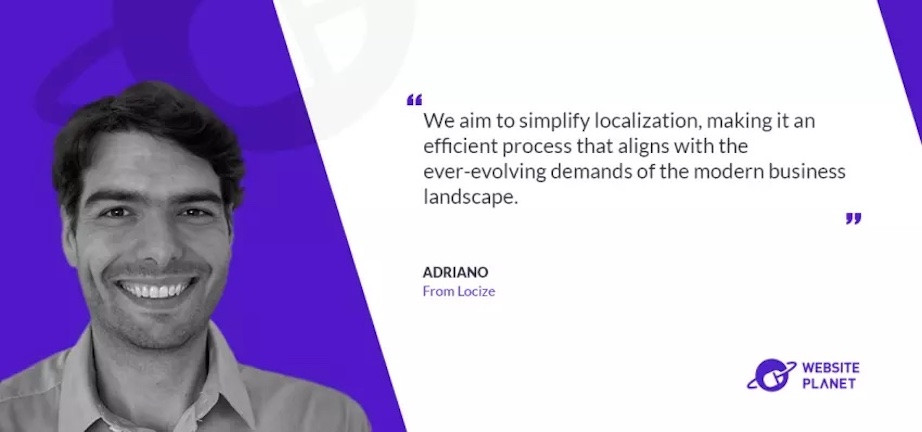
Interview with WebsitePlanet
Explore how Locize is revolutionizing software localization and breaking language barriers in our in-depth interview with WebsitePlanet.
 Guides
A Look into the Future of Translation and Localization
This article explores the latest technology and trend that are shaping the industry of translation and localization.
 Company
Uniting Swiss Excellence: Locize and Supertext Join Forces for Seamless Software Localization
Swiss localization pioneers Locize and Supertext partner to integrate Supertext's expert translation services into the Locize platform.
 Guides
How to Choose the Best fitting Translation Management Solution
This blog post explores the unique capabilities of Locize, a comprehensive translation management tool closely integrated with i18next, making it the perfect choice to streamline localization workflows and meet the specific needs of i18next-powered projects.
 Guides
Supercharge Your TypeScript App: Mastering i18next for Type-Safe Translations
Discover how to unleash the full potential of i18next in your TypeScript applications by mastering type-safe translations, ensuring accurate localization and eliminating runtime errors, with this guide. ✅
 Guides
Missing Translations in i18next: Fallbacks, Detection & Fixes
When i18next can't find a translation, users see raw keys. Learn fallback languages, debug-mode detection, saveMissing, and how to keep UX clean while translators catch up.
 Guides
Don't let translation topics distract you!
In this article, we'll explore why translation topics can distract you as a developer and how you can manage this distraction.
 Guides
The Importance of Context in Localization: Best Practices for Accurate Translations
In this article, we will explore the importance of context in localization and how some context features can help improve translation accuracy.
 Guides
Marketing localization in your business (2026 guide)
With this ultimate guide, you will transform your global marketing efforts and discover the significance of marketing localization.
 Engineering
The Role of i18next and Translation Management Systems in Serverless Architectures
The article discusses the role of i18next and Translation Management Systems in serverless architecture for efficient and cost-effective localization.
 Tutorials
Fastest way to unleash the full power of i18next (in 3 steps)
Learn the fastest way to unleash the full power of i18next with Locize and get the most out of your internationalization efforts.
 Guides
Why does app localization matter for growth?
Learn how localization can help you growth your app. This guide will explain what ✅ app localization is and how to use it.
 Guides
How Accurate Is Google Translate? A 2026 Guide
How accurate is Google Translate in 2026? Google Translate now uses Gemini models for text translation in a growing set of languages, but accuracy still varies by language and content. What the research really shows, where it falls short, and how to use it well.
 Open Source
The joy, the pride and the burden of maintaining open source
The joy and burden of maintaining an open-source project involves the influx of issues and pull requests, constant improvement, dealing with demanding users, and the importance of providing a minimal reproducible example to reduce time and effort for both maintainers and users, but despite the challenges, it is a rewarding experience that fosters a sense of community and collaboration.
 Guides
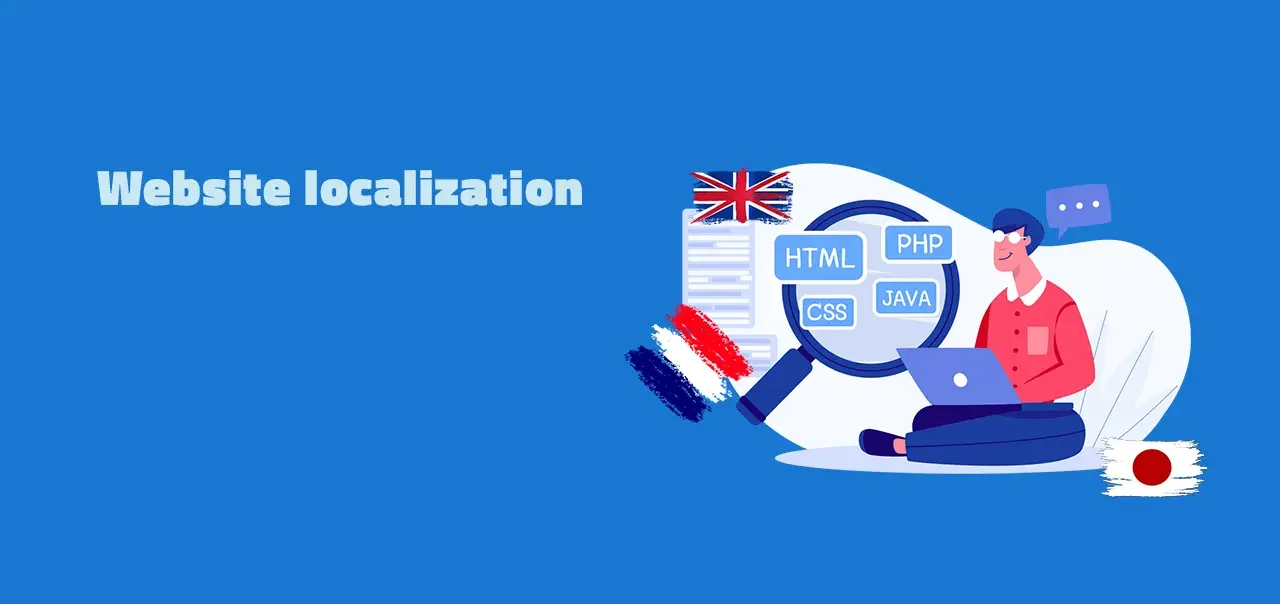
What is Website Localization? Process, Examples & Checklist
Website localization adapts a website (language, formats, currencies, images, layout, SEO, and legal compliance) for a specific market. This guide covers what it is, when to do it, the step-by-step process, and a working checklist with real-world examples.
 Guides
7 steps to master translation project management (2023)
A step-by-step tutorial providing advice on how to master translation project management. Further tips on being more efficient.
 Guides
Unleashing the Full Potential of i18next: Tips and Tricks
In this article, we explore tips and tricks on how to use i18next, a powerful JavaScript library, to handle internationalization and localization effectively by utilizing features such as namespaces, pluralization, interpolation, fallbacks, context feature and integration with Locize to deliver a better user experience.
 Tutorials
i18n with Next.js 13/14/15/16 and app directory / App Router (an i18next guide)
Looking for a way to internationalize your Next.js 13/14 project with the new app directory / App Router paradigm? Then this guide is for you!
 Company
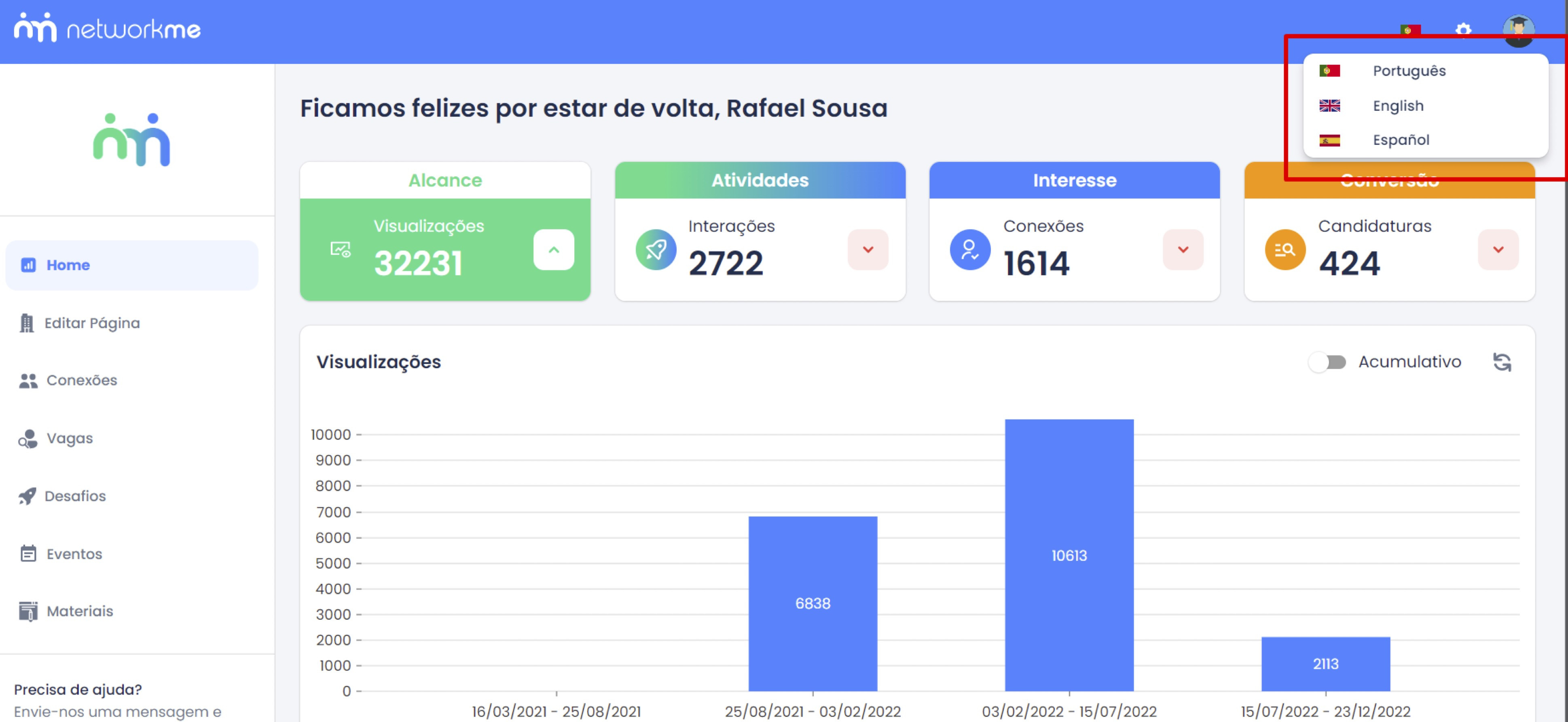
Localization at Networkme (by Marcelo Manteigas)
This is a guest blog post written by Marcelo Manteigas describing the experience with Locize.
 Engineering
Multi tenant architecture
What is Multi-Tenant Architecture? And how we increase the value of the client by improving our software with it.
 Guides
The hidden localization costs
There are a lot of hidden costs when you're investigating your software localization process.
 Company
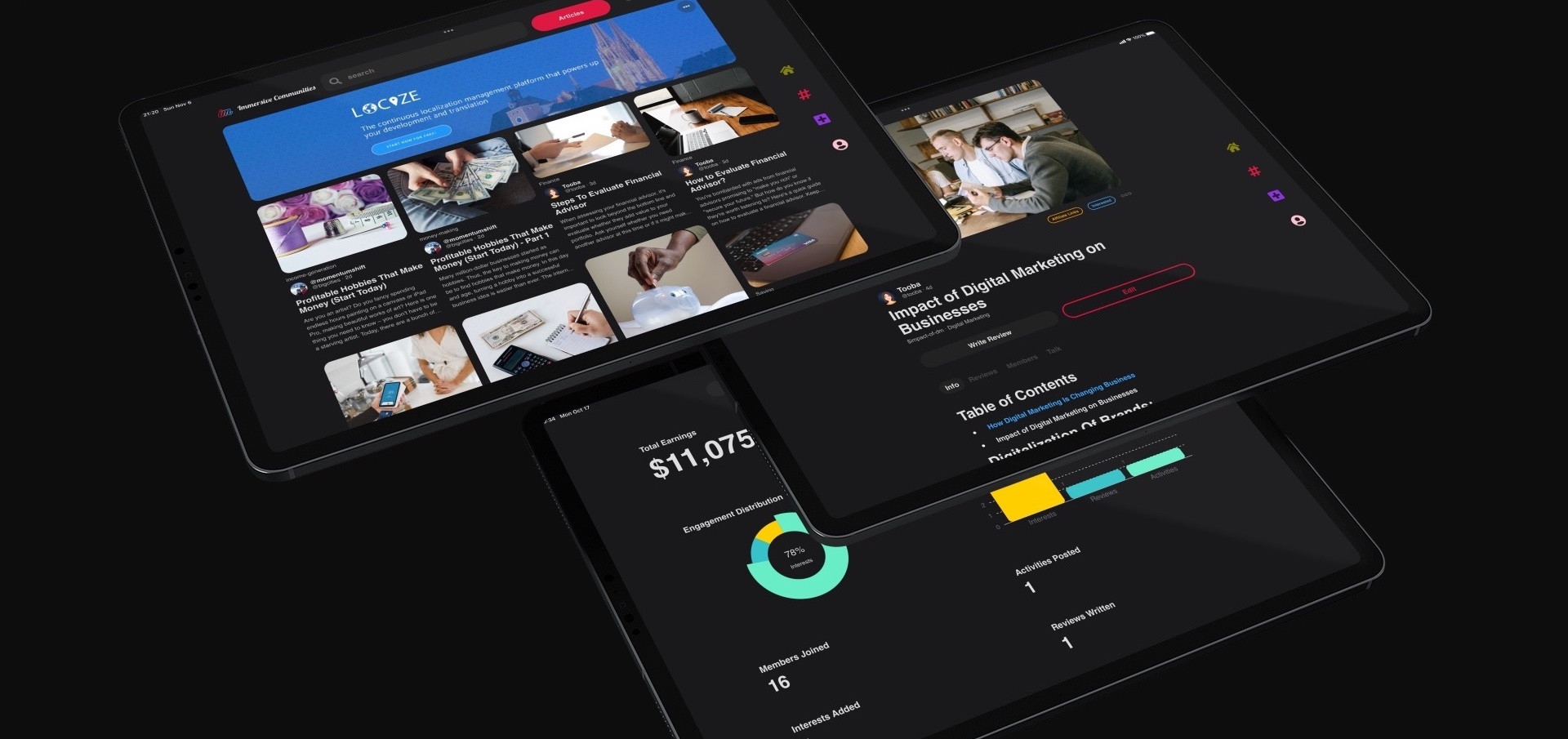
Localization at Immersive Communities (by Mario Stopfer)
This is a guest blog post written by Mario Stopfer describing the experience with Locize.
 Guides
Smart help for tech leaders and engineering managers
This article will help the work of tech/team leaders and engineering managers with a smart advice for the localization topic.
 Guides
Language Localization: What It Is, Examples & Best Practices
Language localization is the process of adapting a product, service, or content for the language and cultural expectations of a specific market. This guide explains what it is, why it matters, examples (spelling, cultural references, visuals, grammar, tone), and how it differs from translation.
 Tutorials
Best internationalization for Gatsby (an i18next based guide)
Gatsby Localization made easy with this ✅ step-by-step guide using i18next.
 Tutorials
Vue Localization - Internationalize with i18next
Vue Localization made easy with this ✅ step-by-step guide using i18next.
 Tutorials
A svelte-i18n guide for internationalization
Simple Svelte localization made easy with this ✅step-by-step guide using svelte-i18n.
 Tutorials
Optimize Next.js translations (next-i18next guide)
Optimize your Next.js app to best work with translations on server side and on client side with next-i18next.
 Tutorials
How to internationalize a Remix application with remix-i18next (Part 2)
A continuous localization workflow for your Remix app with i18next, Locize, and remix-i18next.
 Tutorials
How to internationalize a Remix application (Part 1)
Simple Remix localization made easy with this ✅step-by-step guide using i18next.
 Guides
I18N in the Multiverse of Formats
A nice overview of the existing i18n formats for JavaScript.
 Tutorials
The progressive guide to jQuery internationalization (i18n) using i18next
How to properly internationalize a jQuery website using i18next.
 Tutorials
Internationalization (i18n) for Deno with i18next
How does internationalization (i18n) for Deno look like? CLI, webserver, server side rendered sites, etc...
 Tutorials
Next.js i18n-Compatible Static HTML Export
Learn how to optimize Next.js static HTML export for internationalization (i18n) with step-by-step instructions and helpful tips.
 Guides
Globalization vs. Localization - What is the difference
What is the difference between globalization (g11n) and localization (l10n), where internationalization (i18n) fits, what comes first, and the pros and cons of each.
 Guides
What is video game localization
Learn how video game translation works and how you can utilize it to boost your company's revenue.
 Guides
These are the website internationalization best practices
What are the best practices for website internationalization?
 Guides
How does server side internationalization (i18n) look like?
How does server side internationalization (i18n) look like? CLI, webserver, mail generation, server side rendered sites, Next.js, etc...
 Tutorials
Angular Localization - Unleash the full power of i18next
A step-by-step guide how to implement angular-i18next into your application.
 Tutorials
Give vue-i18n more superpowers❕
Supercharge vue-i18n with locizer + Locize: async loading, language detection, saveMissing, and automated translation workflows.
 Product
What's new in Locize
A rundown of the modernized UI and key new CAT features in the updated Locize app.
 Engineering
A tale of the last 10 years in web development
A fictional journey through jQuery, Angular, React, Vue, and how i18next carries across them all.
 Tutorials
Unleash the hidden superpowers of react-intl
Make react-intl JSX cleaner with babel macros, and connect it to Locize for continuous localization.
 Tutorials
vue.js - from i18n to localization (l10n)
Explore how Vue.js supports global reach with i18n and adapts to local nuances through l10n.
 Company
Locize - Translation Software Distinguished by Platform for SaaS Reviews as a Great User Experience and Rising Star for 2018
FinancesOnline recognized Locize with the Great User Experience and Rising Star awards for 2018.
 Guides
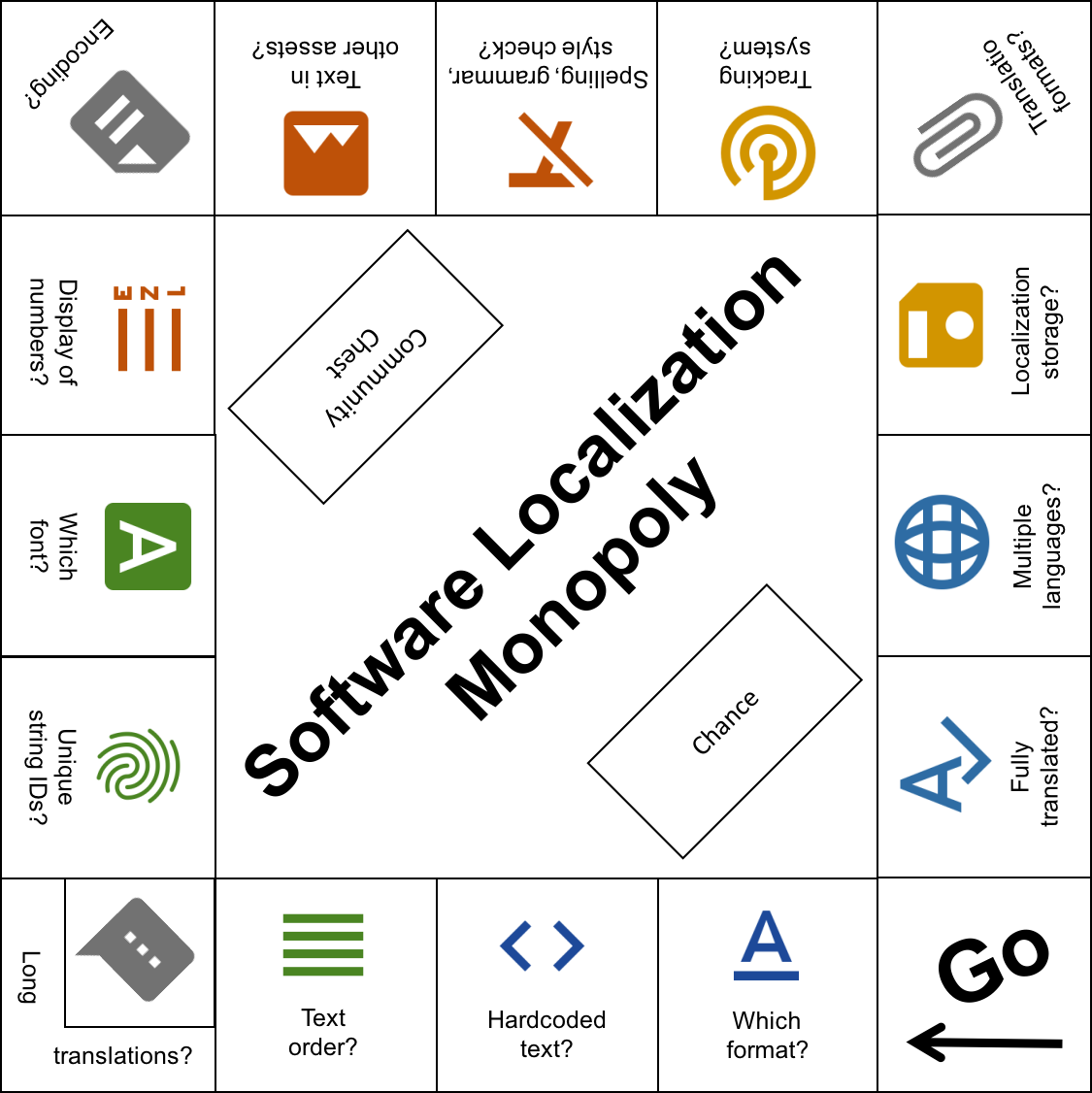
Is your software ready for localization?
Verify if your software is ready for localization with the software localization monopoly.
 Guides
8 signs you should improve your localization process
Eight warning signs that your localization workflow is slowing you down, and how to fix it with continuous localization.
 Engineering
How Locize leverages serverless
Why Locize chose a serverless architecture on AWS, and how we structure our Lambda functions and tooling.
 Product
locizify v2 - improvements
What’s new in locizify v2: unpkg CDN delivery, better key generation, merging support, fragment replacement, and more.
 Engineering
Localization should be fun
Learn from our experience using Locize in our own web application, and how it made localization faster, safer, and more enjoyable.
 Engineering
Continuous Development, Integration and Localization
Discover the evolution from traditional to agile development with continuous integration and localization.
 Engineering
The freedom of choice... i18next, polyglot or formatJS
How Locize works not only with i18next, but also with Polyglot and FormatJS (ICU messageformat), plus runnable example repos.
 Engineering
How we eat our own dogfood
How we used locizify to translate our own landing page: versions, language switching, and avoiding initial flicker.
 Engineering
Technology stack - Locize is serverless
A quick overview of the AWS services that power Locize, built with a serverless mindset so we can focus on product, not servers.
CompanyDay zero - How all began
How i18next started in 2011, and why we built Locize to solve the translation workflow problem.