Blog
Aggiornamenti di prodotto, guide e storie dei clienti.
 Guides
Vi serve ancora un TMS se è il vostro agente di coding a tradurre l’app?
Molti team oggi traducono con una routine di un agente di coding: una skill di Claude Code o Codex che abbozza le stringhe mancanti a intervalli programmati e apre una pull request. Quando quella routine basta, cosa deve ricostruire entro la decima release, e tre modi per tenerla e metterle sotto una memoria, un revisore e una traccia, da un solo comando aggiunto in CI a una routine che legge il glossario prima di abbozzare.
 Product
Traduzioni IA che rispettano il vostro formato i18n
Locize ora controlla ogni traduzione IA e automatica rispetto alla sua sorgente prima di salvarla: la sintassi, i placeholder, i tag e le forme plurali di cui la lingua di destinazione ha bisogno. I prompt dell’IA contengono le regole di MessageFormat (spesso chiamato ICU) e di Fluent, i pesi delle issue e “fix with AI” ordinano ciò che resta, e MessageFormat 2 è un formato di progetto.
 Guides
ICU e MessageFormat 2 in i18next: argomenti tipizzati, linting e App Router
i18next supporta ICU MessageFormat da anni con i18next-icu, e Unicode MessageFormat 2 con i18next-mf2. A ottobre 2026 entrambi sono diventati opzioni a pieno titolo accanto al formato i18next: avvisi di debug quando le sintassi si mescolano, argomenti ICU e MF2 verificati da TypeScript, una modalità di i18next-cli che estrae una chiave per messaggio e controlla le categorie di plurale per locale, IcuTrans nei React Server Components e provider next-i18next per l’App Router. Cosa è cambiato, con codice che gira.
 Guides
Un prodotto, molti clienti: traduzioni per cliente con i tenant, un esempio pratico
I prodotti white-label e B2B hanno spesso bisogno della stessa app con le formulazioni proprie di ogni cliente: "cliente" invece di "paziente", una diversa politica di cancellazione, il nome del cliente invece del vostro. I modi in cui i team lo gestiscono (copie, codici locale personalizzati, namespace, interpolazione, progetti tenant) e un’esecuzione reale con un progetto base e tre tenant cliente: override, cosa succede quando la base cambia, come l’app carica il cliente giusto e a cosa fare attenzione.
 Guides
Come scegliere un TMS nel 2026: i modelli di prezzo spiegati e il prezzo di un progetto presso nove fornitori
I sistemi di gestione delle traduzioni misurano cose diverse: parole in tutte le lingue, parole nelle lingue di destinazione, parole elaborate, chiavi sorgente, stringhe o postazioni. Abbiamo calcolato il prezzo di un progetto di riferimento (2.000 chiavi, 6 persone, 3, 8 o 15 lingue di destinazione) presso nove fornitori di TMS, Locize compreso, in base alle loro pagine prezzi pubbliche al 13 ottobre 2026. Cosa premia ogni modello di prezzo, dove diventa caro e cosa lascia fuori il prezzo di listino.
 Guides
Un agente di coding localizza una funzionalità: punteggi di confidenza, revisione e traccia, passo dopo passo
Un’esecuzione reale, non un diagramma: Claude Code aggiunge una funzione di snooze a un’app React, segnala undici chiavi a Locize tramite MCP e le riceve in sei lingue nel giro di pochi secondi, ognuna con un punteggio di confidenza. Cosa hanno intercettato i punteggi, cosa non hanno visto, cosa ha corretto l’agente da solo, cosa ha cambiato comunque la revisione, e cosa registra l’export di provenienza su ogni stringa.
 Guides
Aggiornare le traduzioni senza rifare il deploy: caricamento a runtime, cache, e perché gli utenti vedono testi vecchi
Come cambiare i testi di un'app web o mobile senza rilasciare una nuova versione: caricare le traduzioni a runtime invece di includerle nel bundle, e capire le cache (browser, service worker, localStorage, CDN) che decidono quando gli utenti vedono davvero la modifica. Backend di i18next, Cache-Control, i motivi tipici per cui le traduzioni non si aggiornano dopo un deploy, e i casi in cui il bundling resta la scelta giusta.
 Guides
Traduzioni sincronizzate via Git o distribuite a runtime: quale scegliere per la vostra pipeline CI/CD?
File di traduzione in Git sincronizzati dalla CI, traduzioni caricate da una CDN a runtime, o entrambe le cose? Come funziona ciascuna architettura dall'inizio alla fine, una tabella decisionale onesta (chi traduce, cadenza dei rilasci, SSR e offline, revisione nelle pull request, rollback, costi della CDN, testi riservati, mobile nativo), come lavorano oggi i team e cosa nessuno dei due approcci risolve.
 Guides
Il codice di buone pratiche sulla trasparenza del regolamento europeo sull'IA: chi ha firmato, e cosa significa per i contenuti tradotti
Al 9 settembre 2026, il codice di buone pratiche della Commissione europea sulla trasparenza dei contenuti generati dall'IA conta 83 fornitori e 152 deployer firmatari, e l'elenco continua a crescere. Cos'è il codice, a cosa impegna un'azienda la firma, perché non firmare non è non conformità, e cosa cambia, e cosa no, per siti e app tradotti automaticamente o con l'IA ai sensi dell'articolo 50.
 Guides
Che cos'è la localizzazione continua? Definizione, workflow e cosa non significa
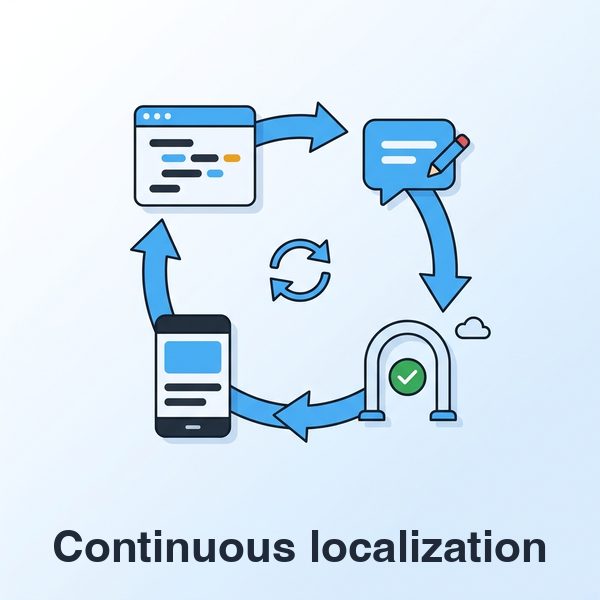
La localizzazione continua è un workflow di traduzione che gira in parallelo allo sviluppo: le nuove stringhe passano automaticamente dal codice ai traduttori o all'IA, e le traduzioni approvate raggiungono l'applicazione in esecuzione senza una release. La definizione, le quattro fasi, la differenza con la localizzazione a lotti, cosa serve prima che funzioni, e cosa non risolve.
 Guides
Che cos'è un glossario di traduzione? Definizione, esempi e come viene applicato
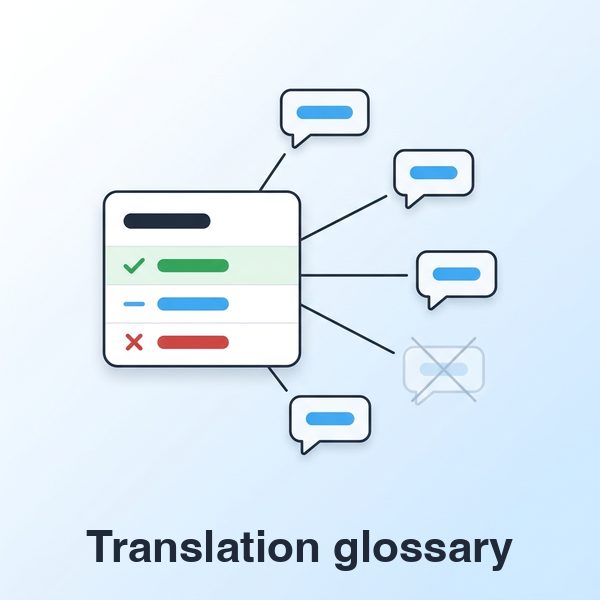
Un glossario di traduzione è l'elenco dei termini che un prodotto deve tradurre sempre nello stesso modo, con la traduzione approvata per lingua. Cosa contiene (termini preferiti, ammessi e vietati), in cosa differisce da una guida di stile e da una memoria di traduzione, perché la traduzione automatica e l'IA ne hanno più bisogno dei traduttori umani, come viene applicato con controlli automatici, come i team ne costruiscono uno, e cosa non risolve.
 Guides
Quando gli agenti di codice traducono la vostra app: cosa si rompe, cosa tenere
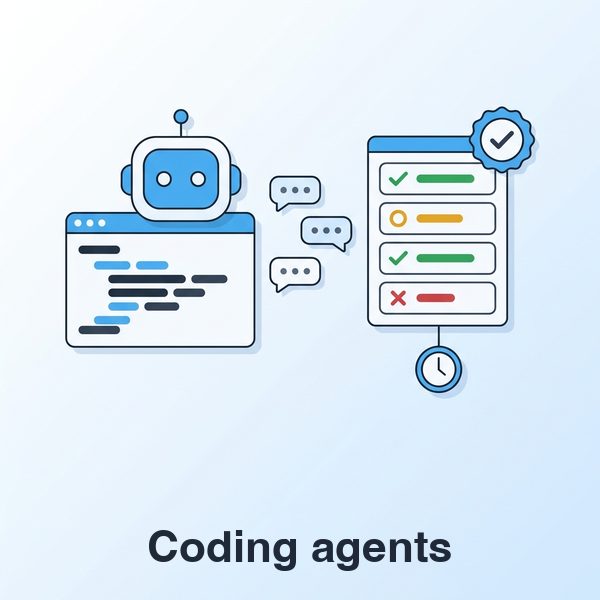
Gli agenti di codice basati su IA oggi aggiungono chiavi di traduzione e abbozzano le stringhe tradotte come parte di una modifica al codice, con più contesto di quanto la maggior parte dei traduttori abbia mai avuto. Cosa fanno bene, cosa non si conserva nel tempo (coerenza tra le release, revisione e provenienza, governance della terminologia, QA sull'intero corpus), come i team se la cavano oggi, e lo schema agent-in-the-loop che mantiene la velocità senza perdere la traccia.
 Guides
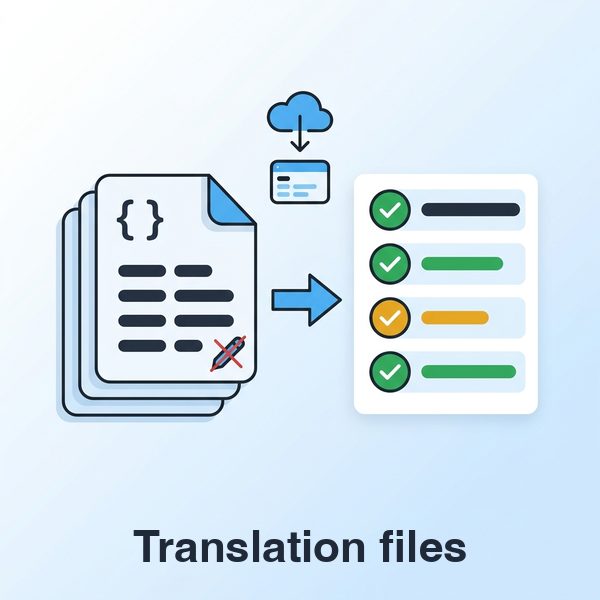
Gestire i file di traduzione senza modificare il JSON a mano
Nessuno decide di modificare a mano i file di traduzione; i team ci finiscono e basta. Cosa significa gestione dei file di traduzione, perché i file JSON, YAML e resx si trasformano in conflitti di merge, deriva e chiavi senza proprietario, come i team se la cavano oggi (editor di codice, fogli di calcolo, sincronizzazione in CI, un TMS, agenti di codice), cosa la fine della modifica manuale non risolve, e dove si colloca Locize.
 Guides
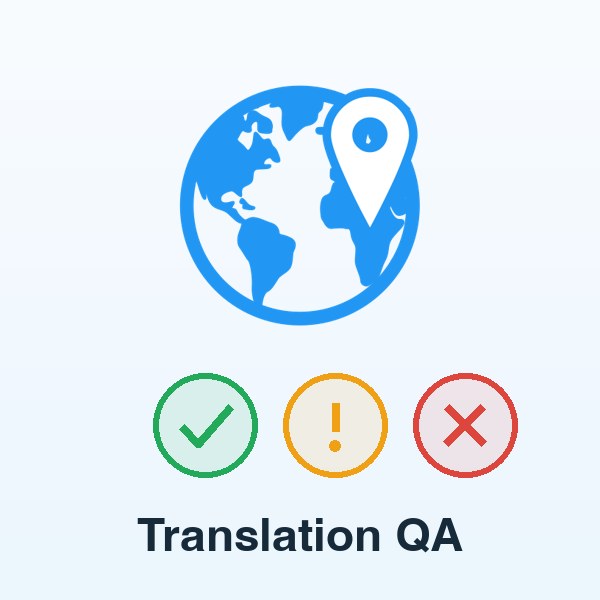
Translation QA: cosa si rompe davvero nelle traduzioni, e come trovarlo automaticamente
La maggior parte dei difetti di traduzione non riguarda la lingua ma la meccanica: un placeholder perso, un tag HTML rotto, un numero cambiato, lo stesso termine tradotto in tre modi diversi. Cosa significa Translation QA, quali errori compaiono nei dati reali di traduzione, cosa continua a sfuggire alla revisione manuale, e come i controlli linguistici automatici gestiscono il livello meccanico perché i revisori umani possano concentrarsi sul significato.
 Guides
Tanti progetti, un solo team: accessi e fatturazione quando la localizzazione supera una sola app
La seconda app è il punto in cui la gestione delle traduzioni si rompe in silenzio: le stesse persone reinvitate ovunque, offboarding a memoria, una fattura per progetto e nessuna risposta a "chi può modificare il testo tedesco?". Cosa deve fare il livello account sopra i vostri progetti, e come lo risolvono le organizzazioni in Locize.
 Guides
i18n senza file di traduzione? Con i18next si può fare, già oggi
Una nuova ondata di strumenti i18n promette « il tuo codice è la source of truth, i file di traduzione sono artefatti di build ». L'ecosistema i18next supporta esattamente questo workflow da anni: chiavi in linguaggio naturale, serializzazione JSX via Trans, segnalazione saveMissing, traduzione IA automatica e consegna via CDN senza alcun file di locale nel repository. La ricetta, i compromessi onesti, e ciò che « zero file » non risolve.
 Guides
Formattazione i18n: date, numeri e valute con Intl e i18next (guida 2026)
Un "$" + toFixed(2) fatto a mano è un bug nella maggior parte delle locale: 1,234.56 in tedesco è 1.234,56 e in francese 1 234 567,89, e lo yen non ha decimali. Questa guida copre Intl.NumberFormat, DateTimeFormat, RelativeTimeFormat e come i18next li integra nelle stringhe di traduzione con {{val, number}}, currency, datetime e formattatori personalizzati.
 Open Source
Chi usa i18next? Oltre 1.500 dei principali siti web al mondo
Abbiamo analizzato i primi 100.000 siti web per vedere quanti usano i18next. Almeno 1.534 lo fanno — da X e GitLab a Deezer, Strava, DeepL e Microsoft Power BI. Ecco i dati, il metodo e perché conta per l'open source.
 Guides
Pluralizzazione i18n: regole plurali CLDR, i18next e ICU (guida 2026)
La pluralizzazione in i18n non è «singolare vs plurale». L'inglese ha 2 forme plurali, il polacco 4, l'arabo 6, il giapponese 1. Questa guida spiega le categorie plurali CLDR, le chiavi i18next v4 _one/_other, gli ordinali, ICU e gli errori che rompono silenziosamente i plurali.
 Guides
Phrase e Lokalise hanno cambiato i prezzi: cosa è successo e le vostre opzioni nel 2026
Phrase ha eliminato il piano Starter da 135 $/mese e ora i piani business partono da 1.245 $/mese. Lokalise è passata alla fatturazione a parole elaborate e ha messo i livelli superiori dietro una demo commerciale. Cosa è cambiato, perché il mercato si sposta verso l’enterprise e cosa può fare un piccolo team.
 Guides
Quando le traduzioni IA si rompono: cosa fallisce davvero, e il percorso di crescita
La traduzione LLM in CI funziona, finché la terminologia non deriva, una regola dei plurali non colpisce o un madrelingua non definisce il risultato offensivo. Cosa si rompe davvero nelle pipeline solo-IA, perché prompt migliori non bastano, e come aggiungere punteggio, revisione e delivery senza buttare la pipeline.
 Engineering
Come i workflow di traduzione batch rompono il Continuous Deployment
Un handoff di traduzione batch è uno step che blocca le release, nascosto dentro la vostra pipeline. Ecco esattamente come rompe il Continuous Deployment e come appare la localizzazione continua quando è cablata in CI/CD.
 Guides
Il browser ora può tradurre la vostra app. Ecco cosa non può fare.
Chrome 138 ed Edge 148 integrano una Translator API gratuita, sul dispositivo, che traduce qualsiasi pagina all'istante, offline e in privato. È davvero utile, e non è un sistema di gestione delle traduzioni. Ecco la dimostrazione onesta, il divario di governance e una ricetta che usa il browser come fallback sancito mentre il vostro TMS resta il nucleo governato.
 Guides
Il contenuto tradotto automaticamente è "generato dall'IA" secondo l'AI Act europeo?
L'articolo 50 del regolamento europeo sull'IA si applica dal 2 agosto 2026 e non è stato rinviato dal Digital Omnibus. Le linee guida finali della Commissione (20 luglio 2026) esentano le traduzioni IA fedeli dalla marcatura leggibile meccanicamente e citano la traduzione IA revisionata da un umano come esempio tipo dell'esenzione dell'articolo 50, paragrafo 4. Cosa significa per siti e app tradotti.
 Product
Non dovete scegliere: i18next e inlang, insieme
i18next-cli init --inlang genera un progetto inlang sui vostri file di traduzione esistenti: Sherlock, Fink e Paraglide lavorano direttamente sul vostro JSON i18next, Locize resta il TMS gestito sugli stessi file, e nulla viene migrato.
 Product
Un solo comando dalle stringhe hardcoded a un'app localizzata
npx i18next-cli localize porta un'app monolingue (spesso generata dall'IA) attraverso strumentazione, estrazione delle chiavi, configurazione di Locize e traduzione automatica IA in un'unica esecuzione, fino a traduzioni con punteggi di confidenza e consegna via CDN.
 Product
Quality Estimation: punteggi di affidabilità per le traduzioni IA
Locize ora valuta ogni traduzione IA con un punteggio di affidabilità, evidenzia i segmenti a bassa affidabilità nell'editor e può inviarli direttamente nel vostro workflow di revisione.
 Product
Strumenti di contesto per la traduzione IA: glossario, guida di stile, memoria & screenshot
Nuovi strumenti MCP di Locize in sola lettura danno al vostro agente IA il glossario del progetto, la guida di stile, la memoria di traduzione e il contesto degli screenshot, così può tradurre, revisionare e controllare la terminologia direttamente nel vostro IDE.
 Company
10 anni di Locize
Un breve appunto per festeggiare dieci anni di Locize. Da dove siamo partiti, cosa abbiamo costruito, chi ci ha accompagnato e una fetta di torta al pistacchio da casa.
 Guides
i18next type-safe nei monorepo: arriva ResourceNamespaceMap
Nella v26.3.0, i18next introduce una nuova superficie di module augmentation per i monorepo: ResourceNamespaceMap. Ogni package può dichiarare i propri namespace type-safe senza collidere su CustomTypeOptions.resources.
 Tutorials
Internazionalizzare un sito Astro con Locize
Localizzazione passo-passo ✅ di Astro 6 usando il routing i18n integrato + Locize come backend di traduzione — sincronizzazione JSON al build via locize-cli, la ricetta build-it-yourself per t(), e dove si inseriscono le island del framework quando servono aggiornamenti live o editing in-context.
 Tutorials
Internazionalizzare un'app Nuxt 4 con @nuxtjs/i18n e Locize
Localizzazione passo-passo ✅ di Nuxt 4 con @nuxtjs/i18n, vue-i18n e Locize — inclusa la sincronizzazione delle traduzioni al build via locize-cli, saveMissing opzionale lato client e l'editor InContext di Locize.
 Tutorials
Internazionalizzare React Router v7 con remix-i18next
Localizzazione passo-passo ✅ di React Router v7 (modalità Framework) con i18next, remix-i18next 7.x e Locize — incluso rilevamento della lingua compatibile con SSR, editing in-context e saveMissing.
 Guides
In-context translation editor: how it works and how the major TMS platforms compare
An in-context translation editor (ICE) lets translators edit strings directly on a live website or app. Four architectural patterns exist: SDK / script injection, proxy-based, browser extension, and iframe embed. This guide compares how Locize, Lokalise, Crowdin, Phrase, SimpleLocalize, Tolgee, Localazy, and Transifex approach in-context editing, and which pattern fits which use case.
 Guides
MessageFormat 2 in i18next: state of the migration (May 2026)
MessageFormat 2 (MF2) is the new Unicode standard for localized messages, final candidate since March 2025. But adoption is still early: the i18next-mf2 plugin had single-digit weekly npm downloads in May 2026 vs about 340,000 for the underlying messageformat library. Here is what MF2 actually changes, why adoption is slow, and what to do today.
 Guides
Cos'è Locize? Localizzazione continua in una sola pagina
Locize è una piattaforma di localizzazione continua dai creatori di i18next: collegate l'app, traducete con l'IA, fate passare per la review, distribuite via CDN – senza nuovi deploy. Questa pagina copre l'intero prodotto in un colpo solo.
 Guides
What is i18n? (The 2026 Edition)
Internationalization (i18n) is the architectural process of building software that can be adapted to different languages and regions without engineering changes. This 2026 guide covers modern i18n in the era of AI and server rendering.
 Guides
Top Translation and Localization Companies (2026): How to Choose One
A translation and localization company adapts your content for foreign markets: language, culture, legal context, currencies, and user experience. This 2026 guide ranks the top providers with real review data and explains how to choose one.
 Guides
i18next in Production: Managing Translations at Scale
What changes when your i18next project grows from a prototype to a production app with 10 languages, multiple teams, and thousands of translation keys. Practical patterns for scaling.
 Guides
next-intl vs next-i18next: Choosing the Right i18n Library for Next.js
A technical comparison of next-intl and next-i18next for Next.js internationalization. Architecture, features, message formats, and when to choose each.
 Guides
How to Set Up Automatic Translation with i18next and Locize
Step-by-step guide to creating a fully automated translation pipeline: write code, keys appear in Locize, AI translates them, and updates go live via CDN, with no manual steps.
 Product
Locize Alternatives Compared: How We Stack Up
An honest comparison of Locize with Crowdin, Lokalise, Phrase, Tolgee, SimpleLocalize, and Localazy. What each platform does well, where Locize is different, and how to choose.
 Guides
Localize Your App with AI in 5 Minutes
A quickstart guide for developers using Cursor, Claude Code, or other AI coding assistants. Set up i18next with Locize and go from zero to deployed translations in one session.
 Open Source
Why We Added a Console Notice to i18next, and Why We Removed It
An honest account of why we introduced a console.info support notice into i18next, what happened next, and what we learned from it.
 Product
Locize MCP Server: Translate from Claude, Cursor & VS Code
Connect Claude, Claude Code, Cursor or VS Code to your Locize translations over MCP: from Claude's connector directory, with one click in VS Code, or with a token in CI. 28 tools to find missing keys, translate with the glossary and translation memory, send drafts to review, publish and manage branches, directly from your AI assistant.
 Tutorials
next-i18next v16: App Router, Pages Router, and Everything In Between
next-i18next v16 brings first-class App Router support with Server Components, Client Components, and edge-safe proxy, while keeping full Pages Router compatibility. One package, both routers, zero boilerplate.
 Guides
From Hardcoded Strings to Global-Ready: The Modern React i18n Journey
Learn how to internationalize a modern React app in minutes using the new i18next-cli and Locize automation.
 Product
Predictable Growth: Introducing Fixed Pricing and a Free Plan
We’re evolving our pricing to give you the best of both worlds: the predictability of fixed monthly plans and the flexibility of usage-based scaling. Plus, a new way to start for free.
 Guides
Building Robust Offline-First Apps with i18next
Learn how to ensure your application translations remain available even in tunnels, elevators, or restricted networks. This guide explores using i18next chained backend to combine the agility of the Locize CDN with the reliability of local caching and bundled fallbacks.
 Engineering
The DIY Localization Trap: Why AI and JSON are Not a Strategy
Thinking of building your own localization autopilot or self-hosting? Discover the hidden engineering costs of DIY localization and why AI-only workflows fail at scale.
 Product
Back to Our Roots: The All-New locize.com
Locize has a new look. We’re going back to our roots with a faster, cleaner, and more transparent experience, built by developers, for developers.
 Tutorials
Localizzazione React – Internazionalizzazione con i18next
Integrate i18next senza sforzo nelle vostre applicazioni React. Una guida completa, passo-passo, a react-i18next.
 Guides
What is a translation management system (TMS)?
What a translation management system (TMS) does, how it differs from a CAT tool and a localization platform, when you need one, and how TMS pricing works.
 Product
🚀 Announcing Locize Standard CDN: Fast, Simpler, and Generously Free!
Locize introduces a new Standard CDN powered by BunnyCDN, now the default for new projects, faster global delivery, and 1,000,000 free downloads per month.
 Guides
Offline-First Apps: Architecture, Frameworks & Real Examples
Offline-first apps work without a network and sync when reconnected. See the architecture, frameworks (PouchDB, RxDB, WatermelonDB, Realm), and when to use this approach.
 Guides
Discover a Smarter Way: Automating i18next Translations with saveMissing and Locize AI
Use i18next saveMissing with Locize and automatic AI translation to create and translate keys in real time as you build, reducing manual extraction and keeping translations in sync.
 Guides
Supercharge Your i18next Workflow with the All-New i18next-cli
Announcing i18next-cli: the official next-generation toolkit for extraction, syncing, linting, type generation, and translation status reporting, built for performance and modern JS/TS patterns.
 Guides
The Art of the Key: A Definitive Guide to i18n Key Naming for Longevity and Sanity
A practical guide to i18n translation key naming: how to avoid i18n debt, choose a sustainable key strategy, handle reuse, and scale with namespaces and context.
 Company
Building Locize Together: We Need Your Feedback on the Focus View
We added an in-app poll to better understand how you use Focus View vs Global View. Vote inside Locize and help shape the future of the Focus View.
 Guides
What is Software Localization?
Software localization is the process of adapting a software product (language, UX, formats, and cultural expectations) for each target market. It is different from translation (which only converts words) and from internationalization (which prepares the code for any language). Here's how it works, and how to implement it.
 Guides
The Game-Changer for i18next & TypeScript: Introducing the Selector API!
Meet the i18next selector API: a new way to call t() with a function instead of a string key, unlocking autocomplete, go-to-definition, and better TypeScript performance on large translation sets.
 Guides
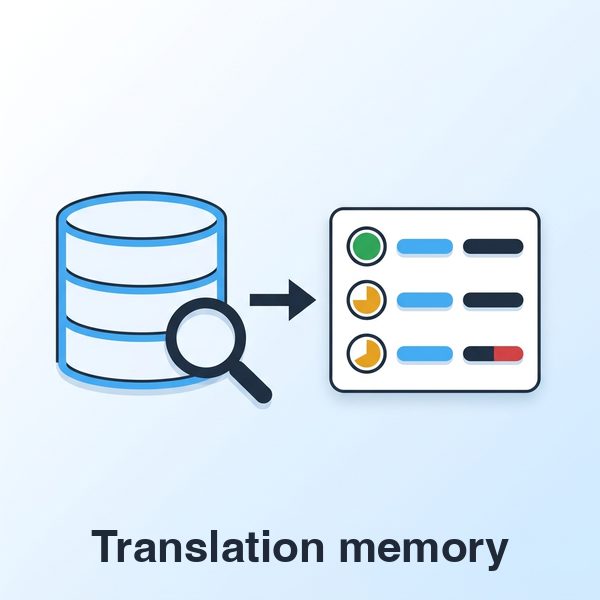
Memoria di traduzione: che cos'è e a cosa serve?
Che cos'è una memoria di traduzione (TM), come funzionano le corrispondenze esatte e fuzzy, perché conta per la localizzazione, in cosa differisce da un glossario, cosa non risolve, come la memoria di traduzione lavora con la traduzione IA e gli agenti di codice nel 2026, e come la memoria di traduzione di Locize vi aiuta a tradurre più in fretta e in modo più coerente.
 Guides
i18next Translations Not Loading? Fix 404s, CORS Issues & Misconfigurations Fast
If your app shows raw i18next keys, this guide helps you quickly diagnose 404/CORS issues, fix loadPath and server hosting, and optionally switch to the Locize backend.
 Guides
How AI Translation Changes the Industry
How AI translation evolved from rules to neural networks, where it wins, where it fails, and why the future is a hybrid of AI speed and human review.
 Guides
Supercharging Your Localization: Combining Your Framework (like i18next), Locize, AI, Automation, and Human Expertise
A practical workflow to combine i18n, Locize, AI translation, automation, and human review to ship high-quality localization faster.
 Tutorials
Simplifying i18next Setup in Next.js App Router
A streamlined i18next setup for Next.js App Router: auto-detect the language from the URL on the client, pass it to server components via middleware headers, and access `t` without prop-drilling.
 Guides
What Is Localization? Definition, Examples & How to Do It Right
Localization (l10n) adapts products for target markets: language, culture, formats. Real examples from Airbnb, Netflix & McDonald's + a step-by-step playbook.
 Guides
react-intl vs. react-i18next: The Ultimate Comparison for React Internationalization
A side-by-side comparison of react-i18next and react-intl across syntax, pluralization, formatting, TypeScript support, performance, and ecosystem, plus how Locize can enhance both workflows.
 Guides
Understanding and Fixing the “You will need to pass in an i18next instance by using initReactI18next” Error
Learn what this react-i18next error means, the most common causes (init/config, Next.js, tests, multiple instances), and how to fix it reliably.
 Guides
How to Use i18next.t() Outside React Components (And Avoid Common Pitfalls)
Learn why useTranslation() fails outside components, why i18next.t() can return keys before init, and the safest patterns to translate in services, utilities, and plain modules.
 Guides
How to Easily Add Internationalization (i18n) to Your New Software Project
A step-by-step guide to setting up i18next in a new React + TypeScript project, with language detection, dynamic loading, and Locize for continuous localization.
 Guides
Localization as Code: Integrating Translation Workflows into CI/CD Pipelines
Learn how to integrate localization into your CI/CD pipeline by treating translation workflows and files like code, with practical examples and best practices.
 Guides
8 Signs You Should Improve the Way You Use i18next (and How to Fix Them)
Learn how to streamline your localization workflow by identifying and fixing common i18next challenges, from translation key management to resolving performance-degrading warnings.
 Guides
Product localization - selling globally
Product localization is used to adapt products to the target market and address target groups in the respective country.
 Guides
Unlocking the Power of Translation: Machine Translation, Translation Memory, Generative AI, and More
Explore the benefits of machine translation, translation memory, generative AI, and human translation, and discover how Locize lets you seamlessly combine them all.
 Guides
What Is Translation? Types, Modern Workflow & Quality
Translation isn't word-for-word, and modern AI still misses nuance, tone, and culture. Covers types, machine vs. human, and how pro translation workflows actually work today.
 Guides
Get to know Enterprise Translation Management System
With Enterprise Translation Management Systems, you can optimize and automate your translation and localization processes.
 Guides
L10n – What is it? | Locize
You’ve heard of L10n and are unsure what it is and if you need it? We'll tell you everything you need to know about it.
 Guides
AI in localization and its future role
Explore AI in localization as we debunk ChatGPT's role, celebrate Machine Translation's efficiency in Translation Management Systems.
 Guides
Say Hello to CAT (Computer-Assisted Translation): The Personal Translator in Your Pocket
Learn how to ensure efficiency, accuracy, and overall quality in your translation work with cat tools for translation.
 Guides
Market Expansion Strategy: Types, Process & Examples
A market expansion strategy is a plan for entering new markets or reaching new customer segments, through one of four moves (market penetration, product development, market development, or diversification). This guide covers the framework, the process, and what to do when it fails.
 Guides
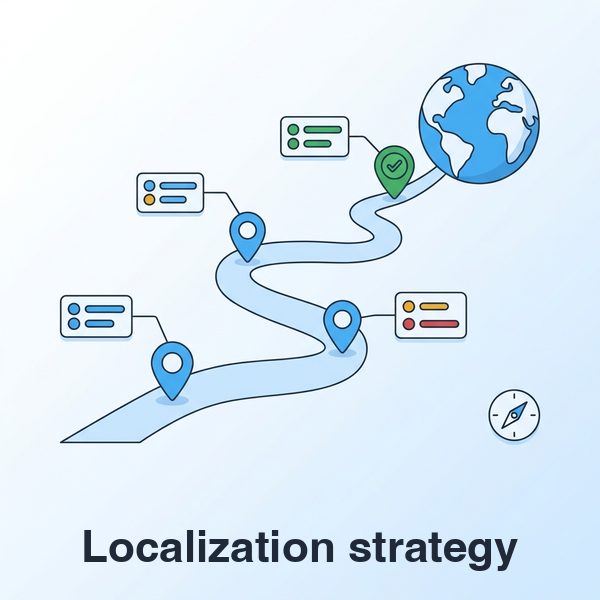
Strategia di localizzazione: spunti per i dirigenti tech
Che cos'è una strategia di localizzazione, perché le aziende tech in rapida crescita ne hanno bisogno, le sfide (velocità contro qualità, coerenza, costi), il ruolo della collaborazione e di un sistema di gestione delle traduzioni, un piano passo dopo passo, i benefici, una checklist, esempi di WWF e Starbucks, e cosa è cambiato nel 2026 con la traduzione IA, gli agenti di codice e il regolamento europeo sull'IA.
 Guides
i18next for React: Exploring the Right Module for Your Project
Explore the diverse world of i18next in React.js as we guide you through tailored approaches for standard React projects, Next.js, Remix, and Gatsby, empowering you to craft a truly globalized user experience.
 Guides
Is SDL Trados Still Relevant in Today’s Localization Landscape?
In this article we'll investigate if SDL Trados is still relevant in today’s localization landscape.
 Company
Interview with WebsitePlanet
Explore how Locize is revolutionizing software localization and breaking language barriers in our in-depth interview with WebsitePlanet.
 Guides
A Look into the Future of Translation and Localization
This article explores the latest technology and trend that are shaping the industry of translation and localization.
 Company
Uniting Swiss Excellence: Locize and Supertext Join Forces for Seamless Software Localization
Swiss localization pioneers Locize and Supertext partner to integrate Supertext's expert translation services into the Locize platform.
 Guides
How to Choose the Best fitting Translation Management Solution
This blog post explores the unique capabilities of Locize, a comprehensive translation management tool closely integrated with i18next, making it the perfect choice to streamline localization workflows and meet the specific needs of i18next-powered projects.
 Guides
Supercharge Your TypeScript App: Mastering i18next for Type-Safe Translations
Discover how to unleash the full potential of i18next in your TypeScript applications by mastering type-safe translations, ensuring accurate localization and eliminating runtime errors, with this guide. ✅
 Guides
Missing Translations in i18next: Fallbacks, Detection & Fixes
When i18next can't find a translation, users see raw keys. Learn fallback languages, debug-mode detection, saveMissing, and how to keep UX clean while translators catch up.
 Guides
Don't let translation topics distract you!
In this article, we'll explore why translation topics can distract you as a developer and how you can manage this distraction.
 Guides
The Importance of Context in Localization: Best Practices for Accurate Translations
In this article, we will explore the importance of context in localization and how some context features can help improve translation accuracy.
 Guides
Marketing localization in your business (2026 guide)
With this ultimate guide, you will transform your global marketing efforts and discover the significance of marketing localization.
 Engineering
The Role of i18next and Translation Management Systems in Serverless Architectures
The article discusses the role of i18next and Translation Management Systems in serverless architecture for efficient and cost-effective localization.
 Tutorials
Fastest way to unleash the full power of i18next (in 3 steps)
Learn the fastest way to unleash the full power of i18next with Locize and get the most out of your internationalization efforts.
 Guides
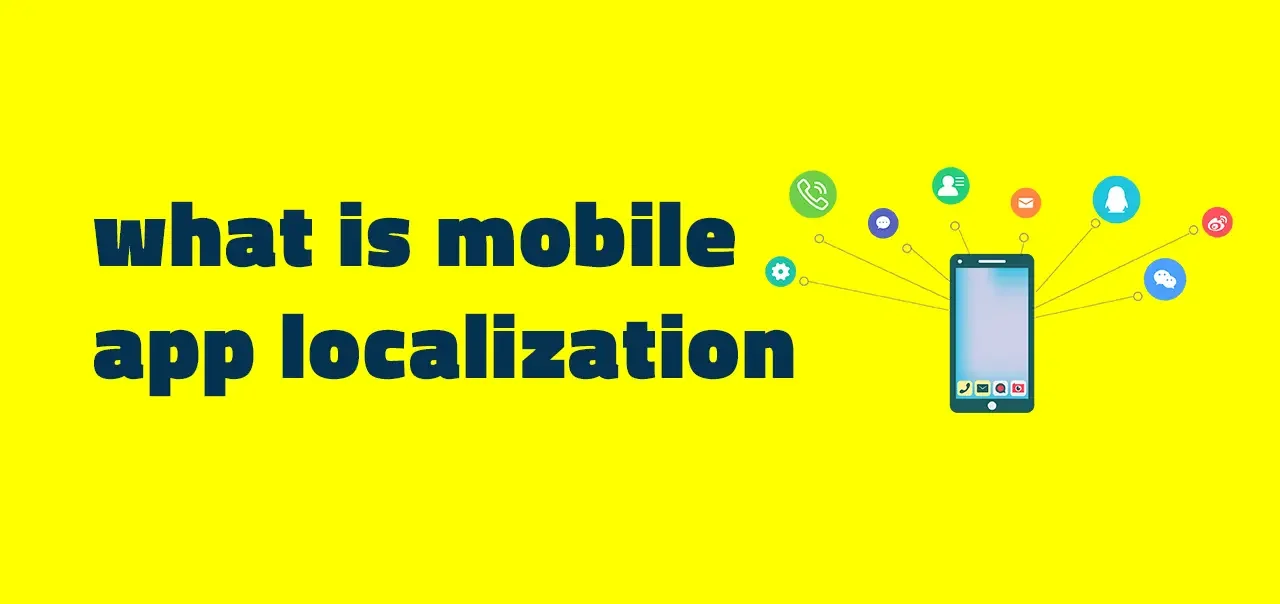
Why does app localization matter for growth?
Learn how localization can help you growth your app. This guide will explain what ✅ app localization is and how to use it.
 Guides
How Accurate Is Google Translate? A 2026 Guide
How accurate is Google Translate in 2026? Google Translate now uses Gemini models for text translation in a growing set of languages, but accuracy still varies by language and content. What the research really shows, where it falls short, and how to use it well.
 Open Source
The joy, the pride and the burden of maintaining open source
The joy and burden of maintaining an open-source project involves the influx of issues and pull requests, constant improvement, dealing with demanding users, and the importance of providing a minimal reproducible example to reduce time and effort for both maintainers and users, but despite the challenges, it is a rewarding experience that fosters a sense of community and collaboration.
 Guides
What is Website Localization? Process, Examples & Checklist
Website localization adapts a website (language, formats, currencies, images, layout, SEO, and legal compliance) for a specific market. This guide covers what it is, when to do it, the step-by-step process, and a working checklist with real-world examples.
 Guides
7 steps to master translation project management (2023)
A step-by-step tutorial providing advice on how to master translation project management. Further tips on being more efficient.
 Guides
Unleashing the Full Potential of i18next: Tips and Tricks
In this article, we explore tips and tricks on how to use i18next, a powerful JavaScript library, to handle internationalization and localization effectively by utilizing features such as namespaces, pluralization, interpolation, fallbacks, context feature and integration with Locize to deliver a better user experience.
 Tutorials
i18n with Next.js 13/14/15/16 and app directory / App Router (an i18next guide)
Looking for a way to internationalize your Next.js 13/14 project with the new app directory / App Router paradigm? Then this guide is for you!
 Company
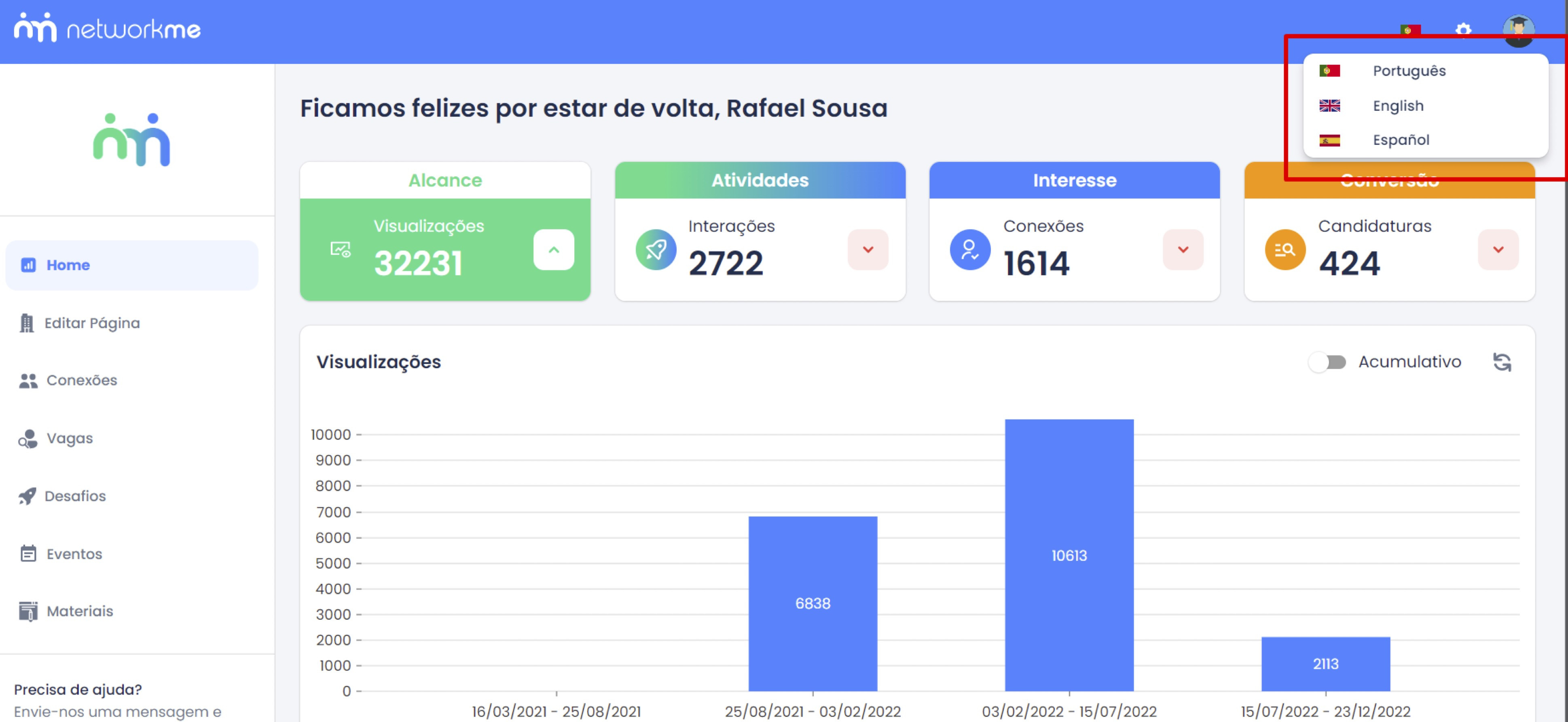
Localization at Networkme (by Marcelo Manteigas)
This is a guest blog post written by Marcelo Manteigas describing the experience with Locize.
 Engineering
Multi tenant architecture
What is Multi-Tenant Architecture? And how we increase the value of the client by improving our software with it.
 Guides
The hidden localization costs
There are a lot of hidden costs when you're investigating your software localization process.
 Company
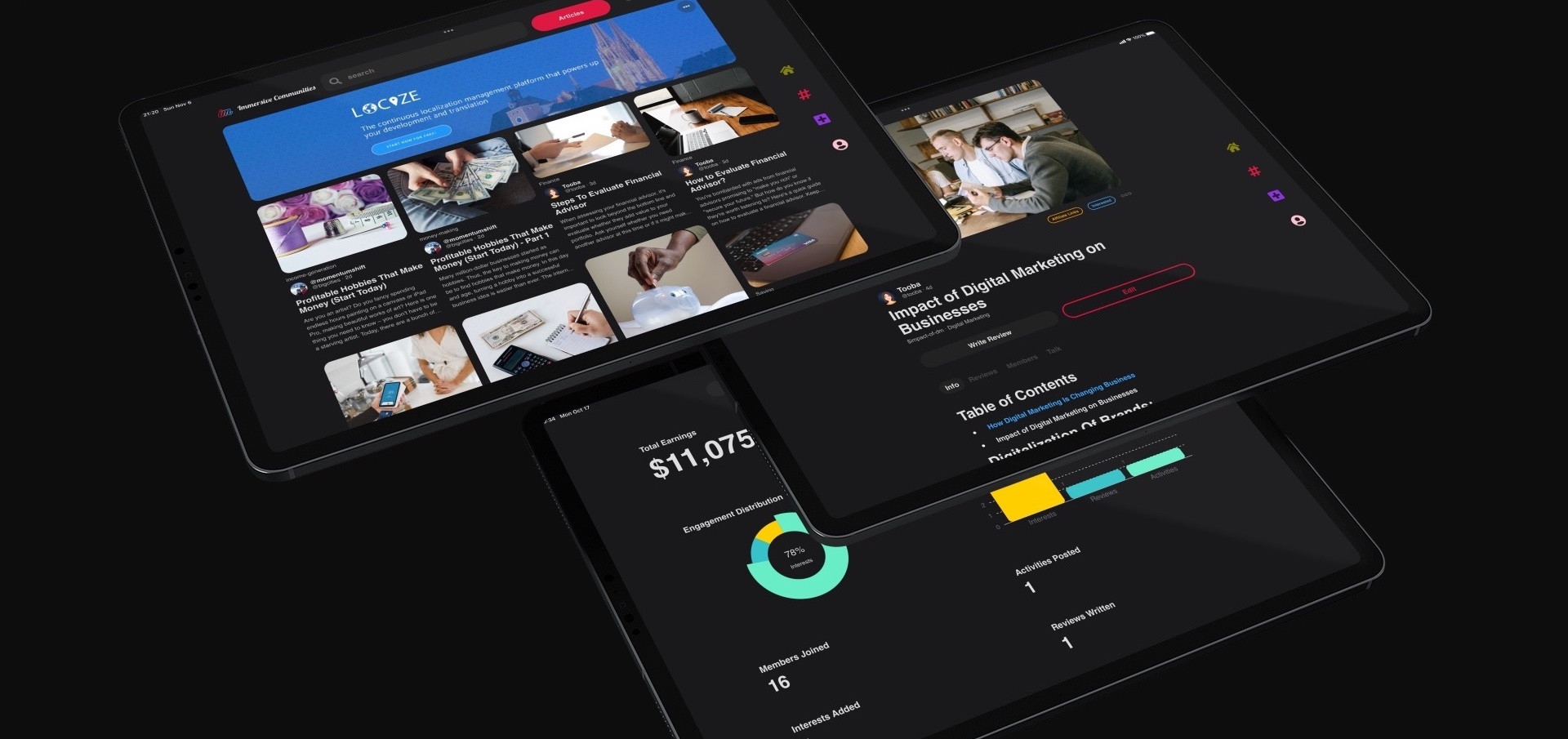
Localization at Immersive Communities (by Mario Stopfer)
This is a guest blog post written by Mario Stopfer describing the experience with Locize.
 Guides
Smart help for tech leaders and engineering managers
This article will help the work of tech/team leaders and engineering managers with a smart advice for the localization topic.
 Guides
Language Localization: What It Is, Examples & Best Practices
Language localization is the process of adapting a product, service, or content for the language and cultural expectations of a specific market. This guide explains what it is, why it matters, examples (spelling, cultural references, visuals, grammar, tone), and how it differs from translation.
 Tutorials
Best internationalization for Gatsby (an i18next based guide)
Gatsby Localization made easy with this ✅ step-by-step guide using i18next.
 Tutorials
Vue Localization - Internationalize with i18next
Vue Localization made easy with this ✅ step-by-step guide using i18next.
 Tutorials
A svelte-i18n guide for internationalization
Simple Svelte localization made easy with this ✅step-by-step guide using svelte-i18n.
 Tutorials
Optimize Next.js translations (next-i18next guide)
Optimize your Next.js app to best work with translations on server side and on client side with next-i18next.
 Tutorials
How to internationalize a Remix application with remix-i18next (Part 2)
A continuous localization workflow for your Remix app with i18next, Locize, and remix-i18next.
 Tutorials
How to internationalize a Remix application (Part 1)
Simple Remix localization made easy with this ✅step-by-step guide using i18next.
 Guides
I18N in the Multiverse of Formats
A nice overview of the existing i18n formats for JavaScript.
 Tutorials
The progressive guide to jQuery internationalization (i18n) using i18next
How to properly internationalize a jQuery website using i18next.
 Tutorials
Internationalization (i18n) for Deno with i18next
How does internationalization (i18n) for Deno look like? CLI, webserver, server side rendered sites, etc...
 Tutorials
Next.js i18n-Compatible Static HTML Export
Learn how to optimize Next.js static HTML export for internationalization (i18n) with step-by-step instructions and helpful tips.
 Guides
Globalization vs. Localization - What is the difference
What is the difference between globalization (g11n) and localization (l10n), where internationalization (i18n) fits, what comes first, and the pros and cons of each.
 Guides
What is video game localization
Learn how video game translation works and how you can utilize it to boost your company's revenue.
 Guides
These are the website internationalization best practices
What are the best practices for website internationalization?
 Guides
How does server side internationalization (i18n) look like?
How does server side internationalization (i18n) look like? CLI, webserver, mail generation, server side rendered sites, Next.js, etc...
 Tutorials
Angular Localization - Unleash the full power of i18next
A step-by-step guide how to implement angular-i18next into your application.
 Tutorials
Give vue-i18n more superpowers❕
Supercharge vue-i18n with locizer + Locize: async loading, language detection, saveMissing, and automated translation workflows.
 Product
What's new in Locize
A rundown of the modernized UI and key new CAT features in the updated Locize app.
 Engineering
A tale of the last 10 years in web development
A fictional journey through jQuery, Angular, React, Vue, and how i18next carries across them all.
 Tutorials
Unleash the hidden superpowers of react-intl
Make react-intl JSX cleaner with babel macros, and connect it to Locize for continuous localization.
 Tutorials
vue.js - from i18n to localization (l10n)
Explore how Vue.js supports global reach with i18n and adapts to local nuances through l10n.
 Company
Locize - Translation Software Distinguished by Platform for SaaS Reviews as a Great User Experience and Rising Star for 2018
FinancesOnline recognized Locize with the Great User Experience and Rising Star awards for 2018.
 Guides
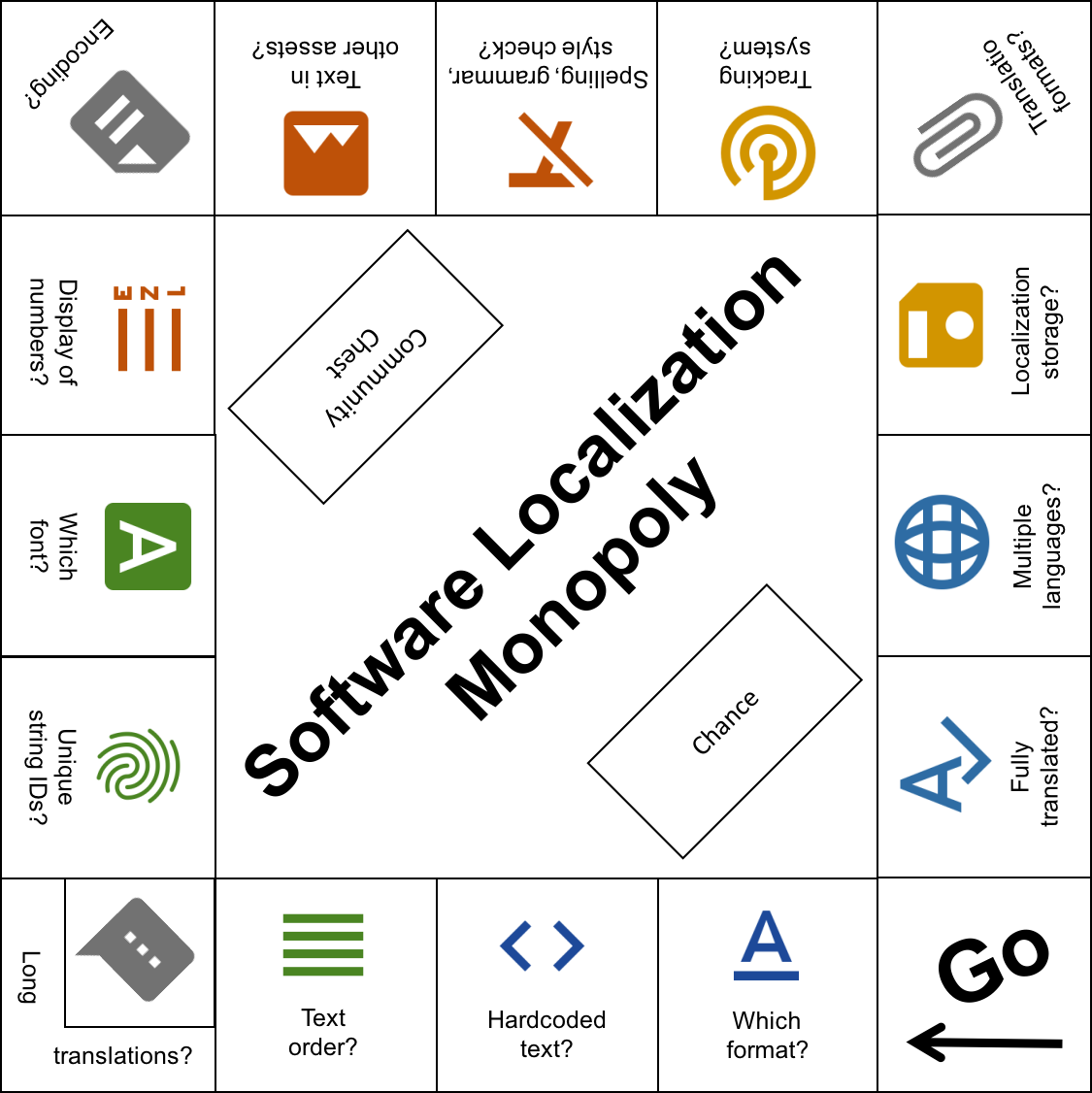
Is your software ready for localization?
Verify if your software is ready for localization with the software localization monopoly.
 Guides
8 signs you should improve your localization process
Eight warning signs that your localization workflow is slowing you down, and how to fix it with continuous localization.
 Engineering
How Locize leverages serverless
Why Locize chose a serverless architecture on AWS, and how we structure our Lambda functions and tooling.
 Product
locizify v2 - improvements
What’s new in locizify v2: unpkg CDN delivery, better key generation, merging support, fragment replacement, and more.
 Engineering
Localization should be fun
Learn from our experience using Locize in our own web application, and how it made localization faster, safer, and more enjoyable.
 Engineering
Why translation held back continuous delivery in 2016
A post from 2016, written when we started Locize: how release freezes and translation handoffs kept software teams from delivering continuously, and the idea of deploying translations separately from the code.
 Engineering
The freedom of choice... i18next, polyglot or formatJS
How Locize works not only with i18next, but also with Polyglot and FormatJS (ICU messageformat), plus runnable example repos.
 Engineering
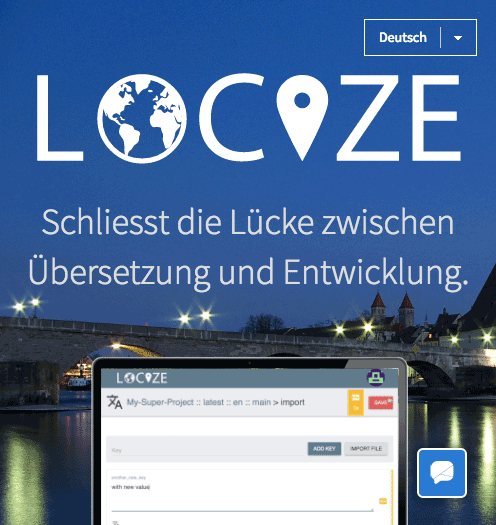
How we eat our own dogfood
How we used locizify to translate our own landing page: versions, language switching, and avoiding initial flicker.
 Engineering
Technology stack - Locize is serverless
A quick overview of the AWS services that power Locize, built with a serverless mindset so we can focus on product, not servers.
CompanyDay zero - How all began
How i18next started in 2011, and why we built Locize to solve the translation workflow problem.